Cancer Treatment Explained: Surgery, Chemotherapy, Radiation & New Therapies :-
This is a comprehensive blog that provides a complete overview of the various cancer treatments that a reader needs to know, including the conventional ones and the latest medical advancements. The blog starts off by explaining what cancer treatment essentially means. It explains how different cancer treatments, including surgery, chemotherapy, and radiation therapy, are applied according to the type, stage, and condition of the patient. Further, the blog goes on to explain the different cancer treatments at a biological level, helping readers understand the various medical strategies applied to eliminate cancer cells.
Besides the main treatment techniques, this content also discusses other modern treatment techniques like targeted therapy, immunotherapy, hormone therapy, and stem cell transplant, and how these techniques are making cancer treatment more precise with minimum side effects. The blog clearly explains the possible side effects of each treatment, how they occur, and how they can be managed, not only informing the reader but also giving them a sense of relief.
In addition to that, it also tries to address one of the biggest concerns that patients or families have to deal with—the cost of cancer treatment on a global scale—by comparing it with other countries and enlightening readers on what factors affect the cost of cancer treatment. Lastly, it enlightens readers on what are considered to be the latest advancements in cancer treatment, such as precision medicine, CAR-T cell therapy, gene editing, RNA vaccines, as well as artificial intelligence.
Overall, this blog is a comprehensive, all-in-one guide aimed at providing information to answer questions, dispel doubts, and offer knowledge on cancer treatment in an organized, readable, and simple manner. It is for all, whether you are a patient, a caregiver, or just want to know more about cancer, as this blog is a treasure trove of information on cancer treatment, making complex medical information simple for all.
The writer name of shoubhik maity
Table of Contents
1. Comprehensive introduction to cancer treatment methods.

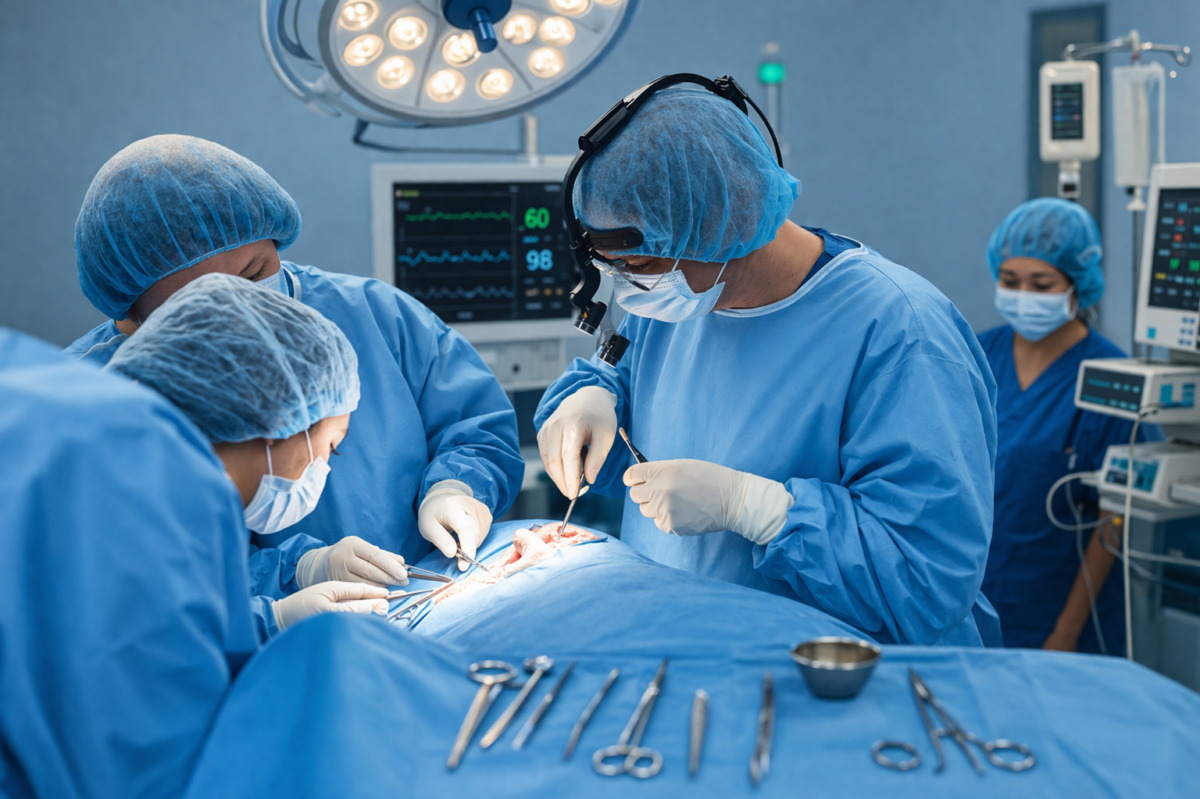
Cancer treatment refers to a wide variety of medical procedures that are intended to remove, destroy, or control abnormal cells in the body. The type of treatment that a patient receives depends on a variety of factors, such as the type of cancer, its stage, location, and the patient’s health status. The most common form of cancer treatment is surgery, where doctors remove abnormal cells from the patient’s body. This form of treatment works well for cancers that have not yet spread to other parts of the body. The second most common form of cancer treatment is chemotherapy, where doctors inject drugs that kill abnormal cells in the patient’s body.
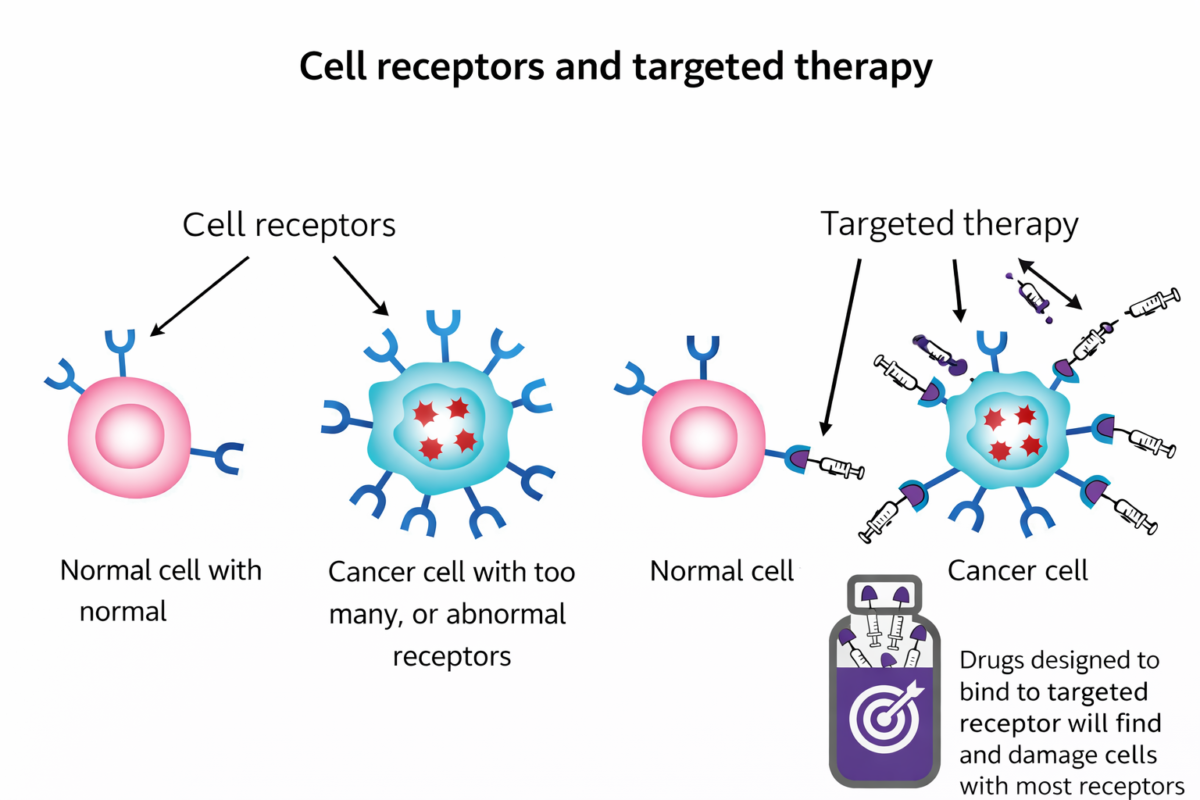
Although this form of treatment works well for many patients, it also kills normal cells in the process, resulting in side effects such as hair loss, tiredness, and nausea. Radiation therapy is another common form of cancer treatment that uses high-energy rays to target abnormal cells in a particular area of the patient’s body. This form of treatment works well for many patients, either as a standalone therapy or combined with surgery or chemotherapy. In recent years, a new form of cancer treatment has been developed, known as targeted therapy, where doctors target abnormal cells that have special genes that help them grow. This form of treatment works well for many patients with fewer side effects.
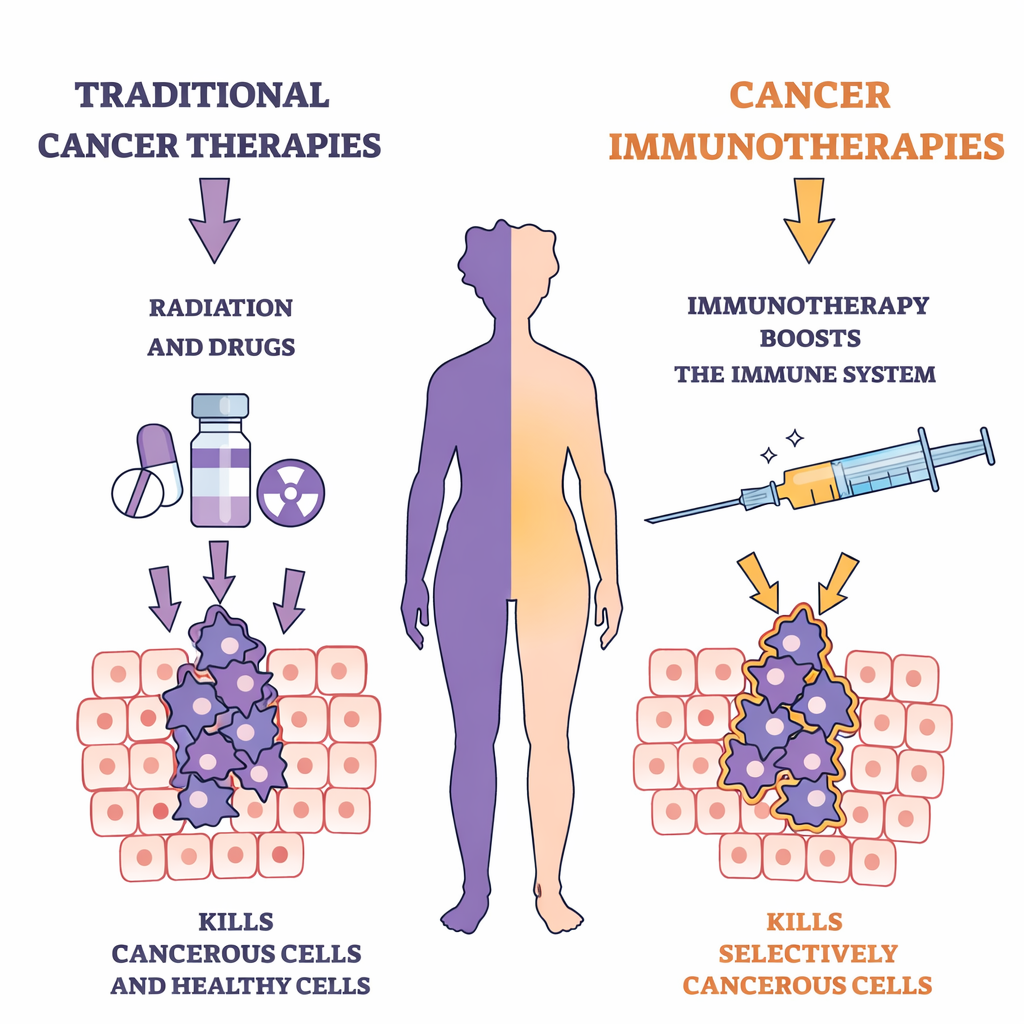
Immunotherapy is another breakthrough treatment that focuses on building the body’s immune system so that it becomes capable of recognizing cancer cells and destroying them. It has proven successful in the treatment of various cancer types where the other treatment modalities may not work effectively. Hormone therapy is used in the treatment of cancer that is hormone-sensitive, such as breast or prostate cancer. It involves the reduction or elimination of the hormone level in the body to slow down or stop the growth of cancer. In some cancer treatment modalities, especially blood-related cancer, a bone marrow transplant is used.
The treatment involves replacing the damaged bone marrow with a healthy one through a rigorous treatment regimen. In most cancer treatment modalities, a combination of treatment is used so that the cancer is completely eliminated and the risk of recurrence is reduced. Even though the treatment modalities have their side effects, modern medicine has made significant strides in managing the side effects so that the cancer treatment is not a one-size-fits-all kind of treatment. It is a promising treatment with hope for cancer patients.
2. How does each treatment work for cancer ?
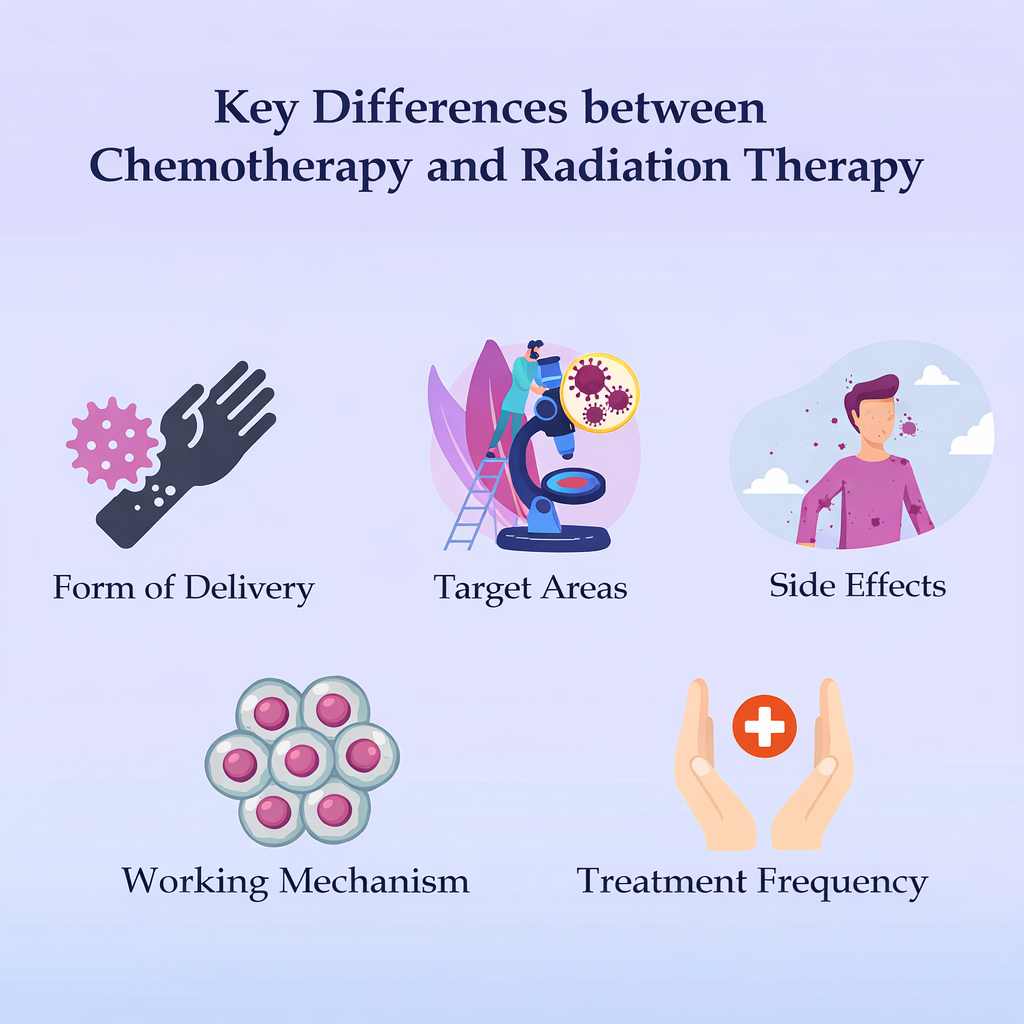
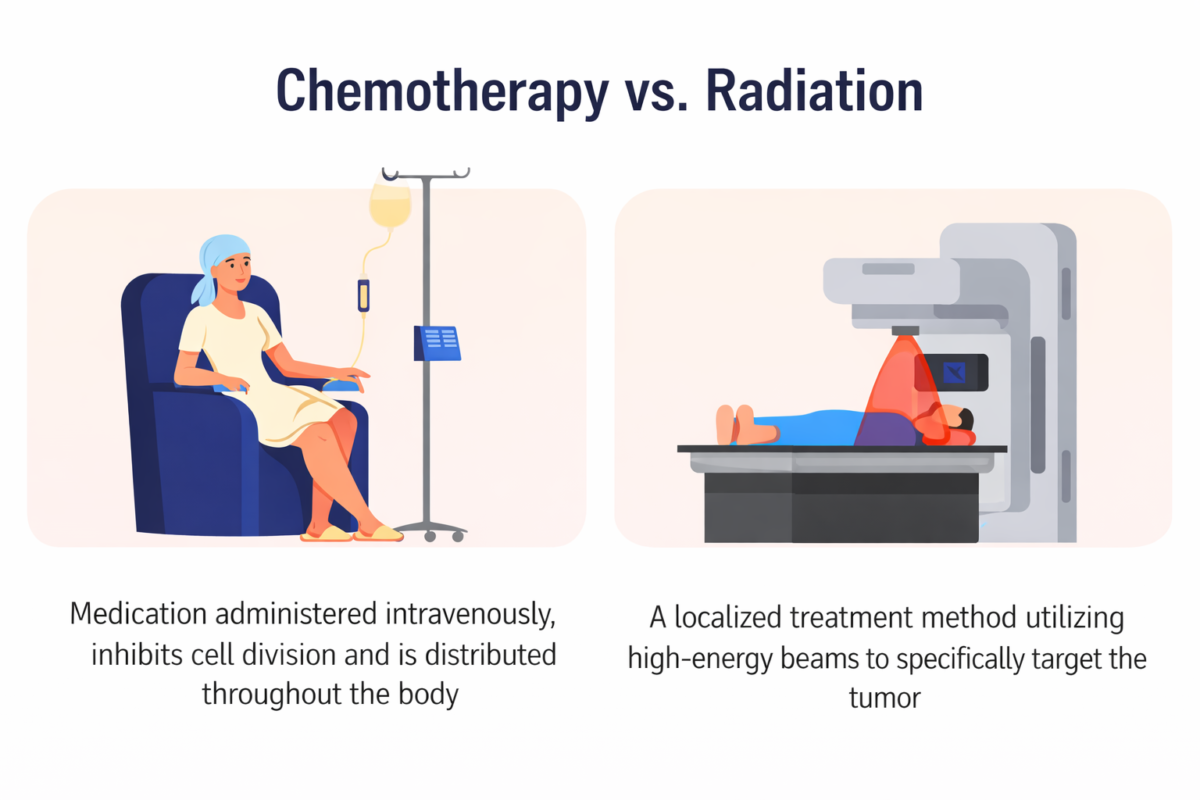
Each form of cancer treatment has its own way of eliminating cancer cells or stopping their growth, and understanding these ways can help clarify the reasons for using a combination of these treatments. The way surgery attacks cancer is the most direct method of eliminating cancer cells or tumors, where the tumor is surgically removed from the body together with some of the healthy cells around it to ensure that none of the cancer cells remain. Chemotherapy attacks cancer cells at the cellular level using powerful medicine that attacks cells that reproduce quickly, which is a major characteristic of cancer cells.
However, since other cells in the body reproduce quickly, such as hair follicle cells and cells in the digestive tract, these cells may also be affected, resulting in common side effects. Radiation therapy attacks cancer cells using powerful rays that attack the cancer cell’s DNA, which prevents the cancer cells from growing or reproducing, ultimately leading to their death.
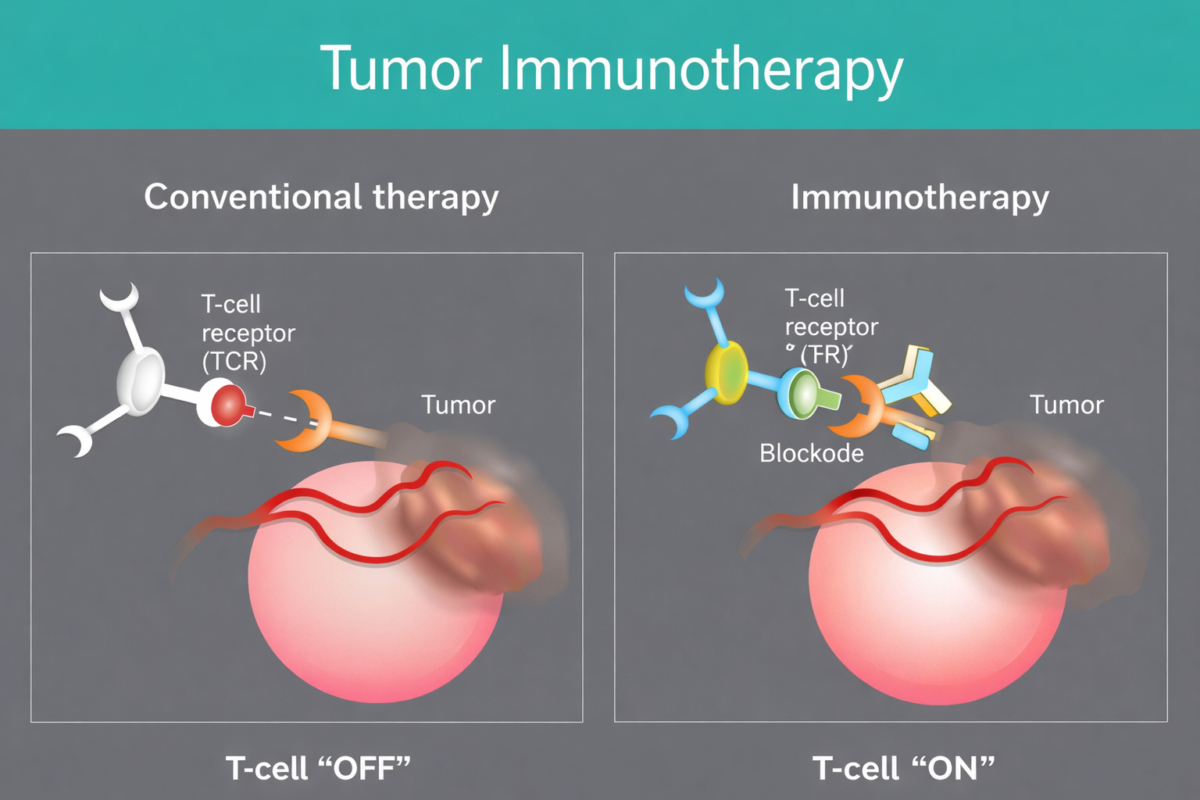
This form of cancer attack is highly targeted since it affects only the area being treated. Targeted therapy is more precise in the sense that it focuses on specific molecules or genes that cause cancer and kills or blocks the growth of cancer cells by cutting off the signals needed for cancer growth while affecting the normal cells minimally. Immunotherapy is a form of treatment that enhances or “trains” the immune system of the body to recognize cancer cells as enemies and fight them; the immune system is not able to do this on its own because cancer cells hide or disguise themselves.
Hormone therapy blocks or reduces the level of certain hormones in the body that cancer cells need for growth, effectively starving the cancer of the signals needed for further growth and development. Stem cell or bone marrow transplant is a form of treatment that is different from the above because it replaces the blood-forming cells in the bone marrow with healthy ones after the cancer and normal cells have been destroyed by high amounts of chemotherapy or radiation treatment.
In many instances, doctors use a combination of the above treatment approaches because each treatment method is based on a different concept or strategy that focuses on cancer growth and development; the approaches are used because each one has a high likelihood of completely destroying cancer cells while minimizing the possibility of recurrence or regrowth.
3. Cancer treatment side effects.

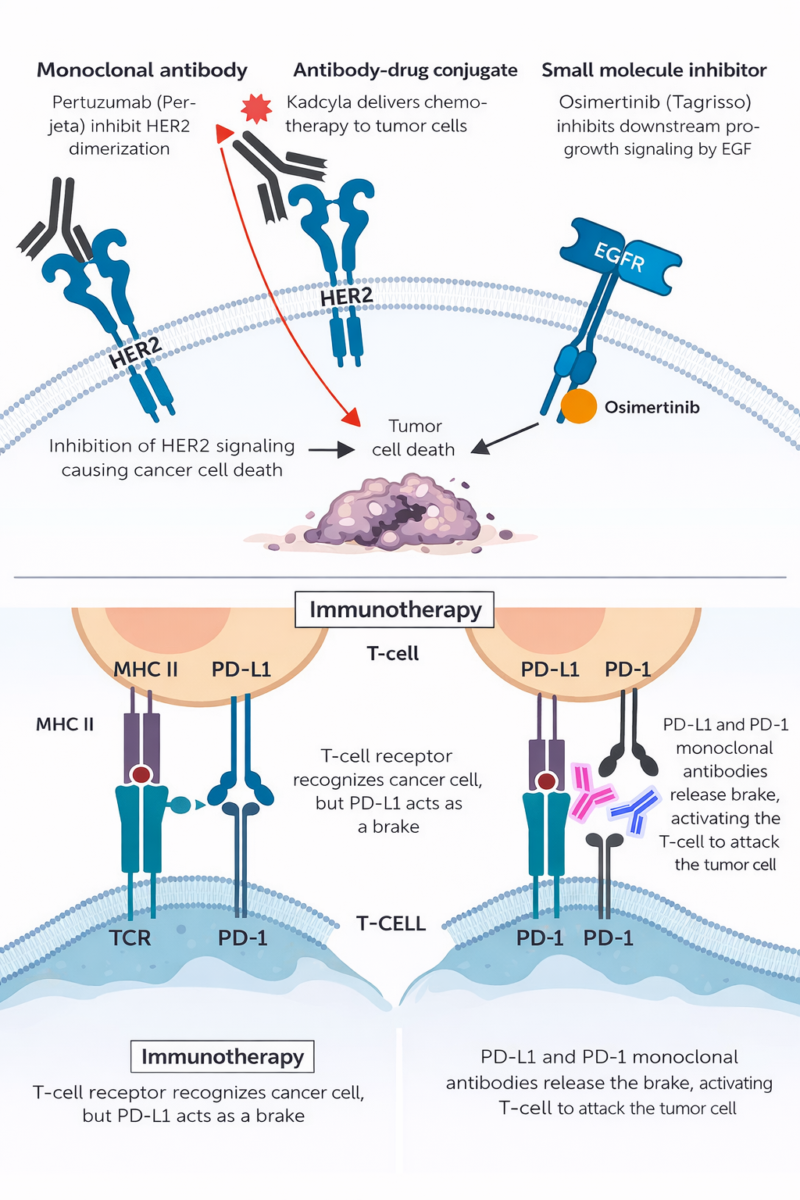
The reason why cancer treatment is effective is that cancer cells are either growing too quickly or are otherwise abnormal. However, the treatment can sometimes affect normal cells as well, which is why they produce side effects. Chemotherapy is the most common form of cancer treatment that produces side effects since it attacks every cell in the body that is growing too quickly. Therefore, the patient will experience side effects such as hair loss, nausea, vomiting, fatigue, loss of appetite, and a weakened immune system.
Radiation therapy is a localized treatment for cancer. Therefore, the side effects will only occur in the area where the cancer is located. In this case, the patient will experience skin irritation similar to a sunburn, fatigue, and damage to the healthy cells surrounding the area where the cancer is located. For example, the patient may experience difficulty in swallowing if the radiation is applied to the throat area.
In the case of surgery, the side effects are usually temporary and relate to the healing process. In this case, the patient will experience pain, swelling, the risk of infection, and the temporary loss of function in the area where the cancer was located. Targeted therapy has fewer side effects compared to chemotherapy.
However, it still has side effects such as skin problems, hypertension, diarrhea, and liver problems, as it affects specific pathways in the body. Immunotherapy has a different kind of side effects, which come from an immune system response. This response is too active and may attack normal body parts. This leads to problems such as inflammation of organs such as the lungs, liver, or intestines.
This then results in side effects such as tiredness, skin rashes, or even immune system problems. Hormone therapy has side effects such as changes in hormone levels, which result in problems such as gaining weight, mood swings, hot flashes, tiredness, and a decrease in bone density. Stem cell or bone marrow transplantation has severe side effects, especially in the early stages of therapy. This includes problems such as infections, weak immune system, bleeding problems, and a severe reaction in which the donated cells attack the body. Despite all these problems, it is important to note that all side effects are not permanent and can be treated by medical attention and medications.
4. How much does it cost to get cancer treatment (global)

The cost of the treatment for cancer patients across the world is different for different types of cancer, different modes of treatment, different countries, and different healthcare facilities. Thus, the cost of the treatment for cancer patients is one of the biggest financial challenges faced by the healthcare system for the management of the disease. In the USA, which is a developed country, the cost of the treatment for cancer patients is extremely high. In fact, the cost may vary from tens of thousands to even hundreds of thousands of dollars.
In some cases, the cost may be as high as $100,000 annually. In contrast, in a public healthcare system in the UK, Canada, or other similar countries, the treatment for cancer is completely free for the patient. In developing countries like India, the cost is relatively much lower than what is seen in Western countries. However, the cost is still a big problem for many patients. In fact, the cost for chemotherapy may vary from a few thousand to a few lakhs, whereas the cost for targeted therapy or immunotherapy is extremely high.
The type of treatment is another major factor that affects the cost of cancer treatment. Surgery is a one-time cost for the patient, which includes hospitalization costs, surgeon fees, etc., whereas chemotherapy and radiation therapy require repeated sessions for the patient. Immunotherapy and target therapy are some of the new forms of cancer treatment that are the costliest for patients since they require highly advanced technology for these medications. Moreover, there are indirect costs for patients as well, which include tests, medications, etc.
All these factors increase the burden of cancer treatment for patients. However, with the help of insurance schemes, government subsidies, and non-profit organizations, patients can get relief from these high costs. But these schemes vary greatly across countries.
The global cost of cancer treatment has proven that there is a major inequality in healthcare services for patients across the world. Patients with better insurance schemes or from developed countries have better access to new forms of cancer treatment, whereas patients in low- and middle-income countries suffer greatly from these diseases.
5. Latest advancements
The cancer treatment domain is a dynamic area with new discoveries providing patients with more precise, effective, and less toxic ways to treat cancer than ever before. The latest breakthrough in cancer treatment is precision medicine, which provides patients with personalized medicine based on their genetic profile and cancer mutations. This has enabled doctors to treat patients with the best possible options with fewer chances of side effects. Personalized medicine is an emerging theme in cancer treatment with new advances in genetic profiling.
Immunotherapy is another major breakthrough in cancer treatment with CAR-T cell therapy. CAR-T cell therapy is an innovative approach where a patient’s immune cells are genetically engineered to recognize cancer cells and kill them. Immunotherapy has proven to be highly effective in treating blood cancer with new studies underway for treating other types of cancer. Studies have shown that patients treated with CAR-T cell therapy have higher chances of survival with reduced tumors. Researchers have also used gene editing technology called CRISPR to enhance CAR-T cell therapy. Using gene editing technology, researchers have been able to enhance the immune cells to fight cancer more efficiently.
In addition to that, gene editing techniques such as CRISPR technology have opened up new avenues for cancer treatment where the genes themselves can be altered to cure cancer or make the body more resistant to cancer. Researchers are currently working on developing “engineered immune cells” within the human body, which could make cancer treatments faster, more efficient, and available for everyone in the future.
Another promising area of cancer treatment is RNA-based cancer vaccines that help the immune system fight cancer cells, much like how vaccines work for other diseases. The vaccines have been found to reduce cancer recurrence in patients in clinical trials. Advances have also been made in targeted or smart therapies for cancer patients using nanotechnology to target cancer cells with medicine without harming other cells.
At the same time, artificial intelligence is being used to identify cancer at an early stage, predict the outcome of cancer treatment for patients, and even help doctors design better cancer treatment plans for patients. All in all, the latest advances in cancer treatment have shifted the focus from general cancer treatments to highly personalized technology-driven cancer treatments that not only increase the chances of survival for patients but also help improve their quality of life.