
Cancer Explained: Types, Causes, Symptoms, Treatment & Prevention (Ultimate Guide)
March 28, 2026
Cancer Treatment Explained: Surgery, Chemotherapy, Radiation & New Therapies
April 3, 2026
Early Signs of Cancer (High CTR Topic) :-
This blog post is a comprehensive and informative article on the early signs of cancer and how early detection is essential in saving more lives. This article talks about how early detection of cancer is significant in increasing the success rate in treating cancer patients, reducing medical problems, and cutting costs. This article also talks about how early detection of cancer saves more lives and how it is essential in reducing medical problems and costs.
In this blog post, there is in-depth information on the early signs of cancer, including weight loss, fatigue, unusual bleeding, skin changes, lumps, and pain. This article also talks about how it is essential not to delay a visit to the doctor in case of unusual body changes. This article also talks about myths and misconceptions about cancer and how it is essential to differentiate between facts and myths in relation to cancer.
To make this article more relatable and interesting, examples have been used in this article to show how early detection saves more lives and how it is essential in treating cancer patients successfully. This blog post is encouraging readers to stay aware of their bodies and how they need to take up steps towards a healthy lifestyle. This article is an informative blog post on cancer and its early signs, and it is significant in educating readers on how they can stay healthy and aware of their bodies.
This article is also significant in educating readers on how they can stay healthy and aware of their bodies. This blog post is also significant in educating readers on how they can stay healthy and aware of their bodies.
The writer name of shoubhik maity
Table of Contents
1. Why Cancer early detection matters
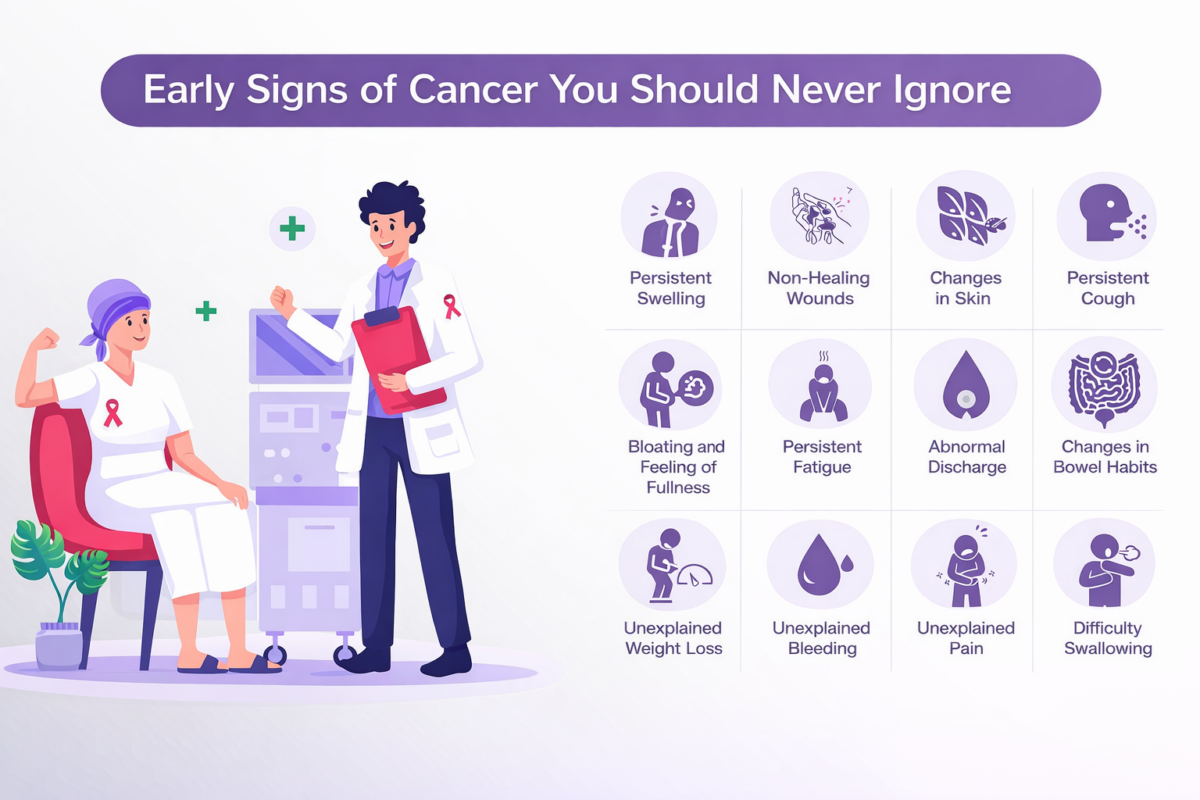
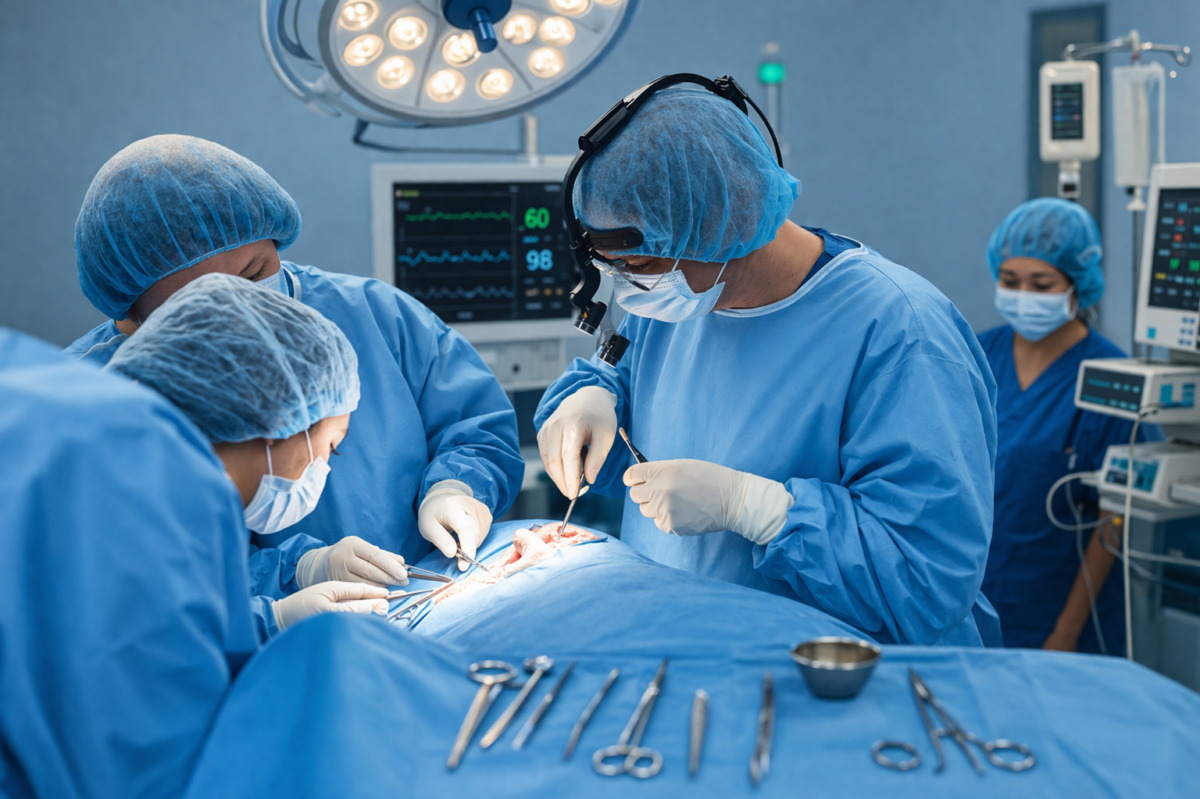
Early detection of cancer is important because it significantly increases the chances of treating cancer successfully, reduces the intensity of medical procedures, and increases survival rates. Early detection of cancer, usually before it has spread to other parts of the body, usually means that the cancer is small and can be easily treated through various medical procedures such as surgery, radiation, or even chemotherapy.
Not only is early detection of cancer more effective in treating cancer, but it also limits the possible negative effects of treatment, allowing patients to lead a good life despite their condition. On the other hand, cancers detected at a later stage may require a more complex and longer treatment process, which may prove to be physically, emotionally, and financially exhausting for patients.
The second important reason why early detection of cancer is important is that many cancers may not show noticeable symptoms in their early stages. At this stage, cancer may already have progressed before noticeable symptoms such as persistent pain, unusual weight loss, or abnormal growths appear. Early screening of cancer through various medical procedures such as a mammogram for breast cancer, a Pap smear for cervical cancer, a colonoscopy for colorectal cancer, and a low-dose CT scan for lung cancer plays a vital role in detecting cancer before noticeable symptoms appear. Screening can also help doctors identify abnormal cells or precancerous growths before cancer has fully developed or has become life-threatening.
Early detection also plays a critical role in cutting healthcare costs in the long run. Treating cancer at a later stage involves costly procedures and long periods of hospitalization, unlike early stages, where treatment is simpler and requires fewer costs. Early detection also allows patients to get back to their normal lives, rather than being a burden to their loved ones. From a public health standpoint, promoting early screening for cancer can help reduce cancer mortality rates for a large segment of society.
Ultimately, early detection provides people with knowledge and power over their health. It involves checkups, being aware of one’s personal risk factors such as genetic and environmental factors, and seeking medical attention for unusual symptoms. Early detection, therefore, is a key factor in saving lives and making cancer treatment more effective, making it a cornerstone in the global fight against cancer.
2. Detailed explanation of each symptom Cancer
Cancer symptoms vary from one type of cancer to another, but some symptoms are common in all forms of cancer. These include unexpected weight loss, where the person loses weight in large amounts without any changes in diet or physical activity. This is usually because the cells are using up the body’s energy in large amounts.
Another common symptom is extreme tiredness, which is usually characterized by fatigue that is not relieved by rest. This is usually because the body is working hard to fight the unusual cells. Pain is also a common symptom in all forms of cancer. This is usually characterized by deep, aching pain in the bones in the case of bone cancer or by the unusual pressure that the tumor exerts on the nerve or other parts of the body.
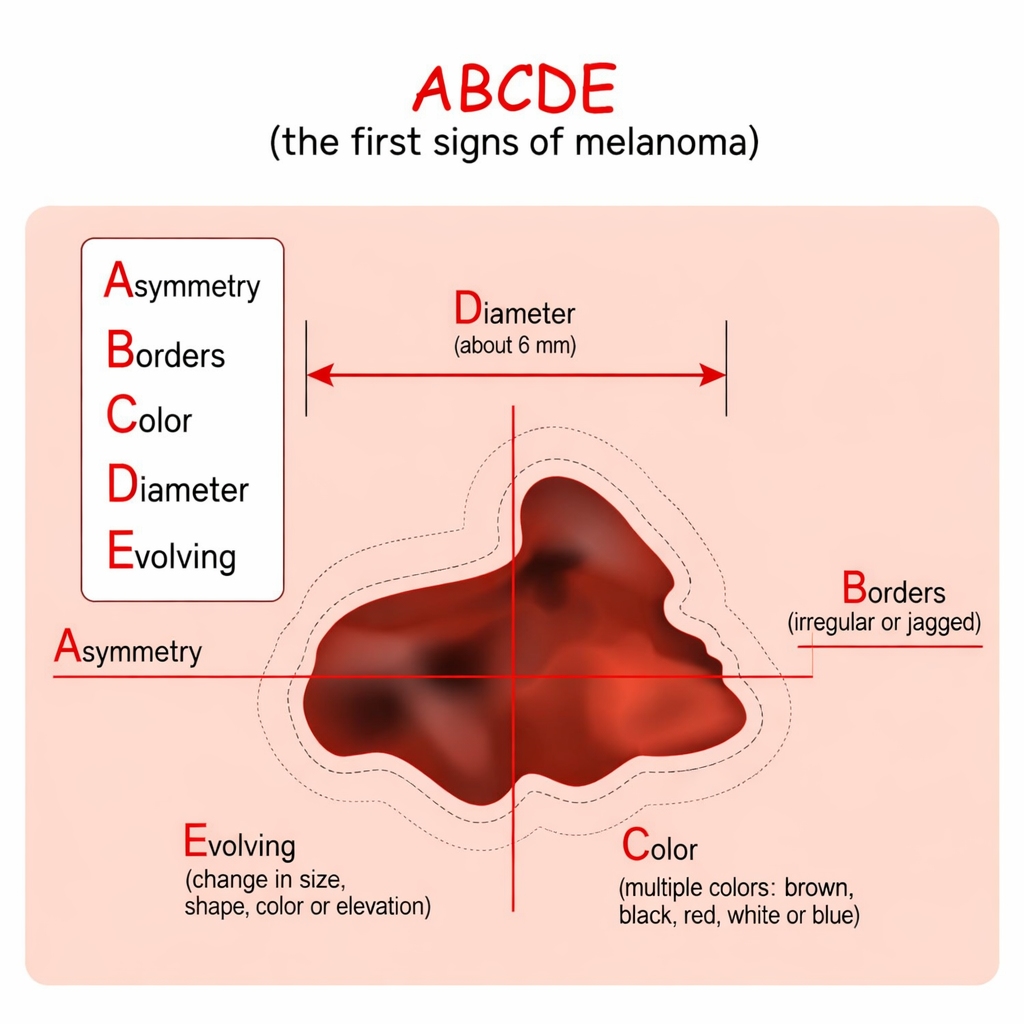
Changes in the skin are also symptoms that are associated with certain forms of cancer. These include jaundice, darkening of the skin, redness, itching, and unusual growths such as unusual moles or changes in the existing ones. Sores that do not heal are also symptoms of certain forms of cancer. This is usually because the cells are supposed to heal themselves, but the unusual cells cause them not to heal. Unusual bleeding or discharge is also a common symptom in all forms of cancer. This includes blood in the urine or stool, coughing up blood, unusual vaginal bleeding, or discharge from the nipple.
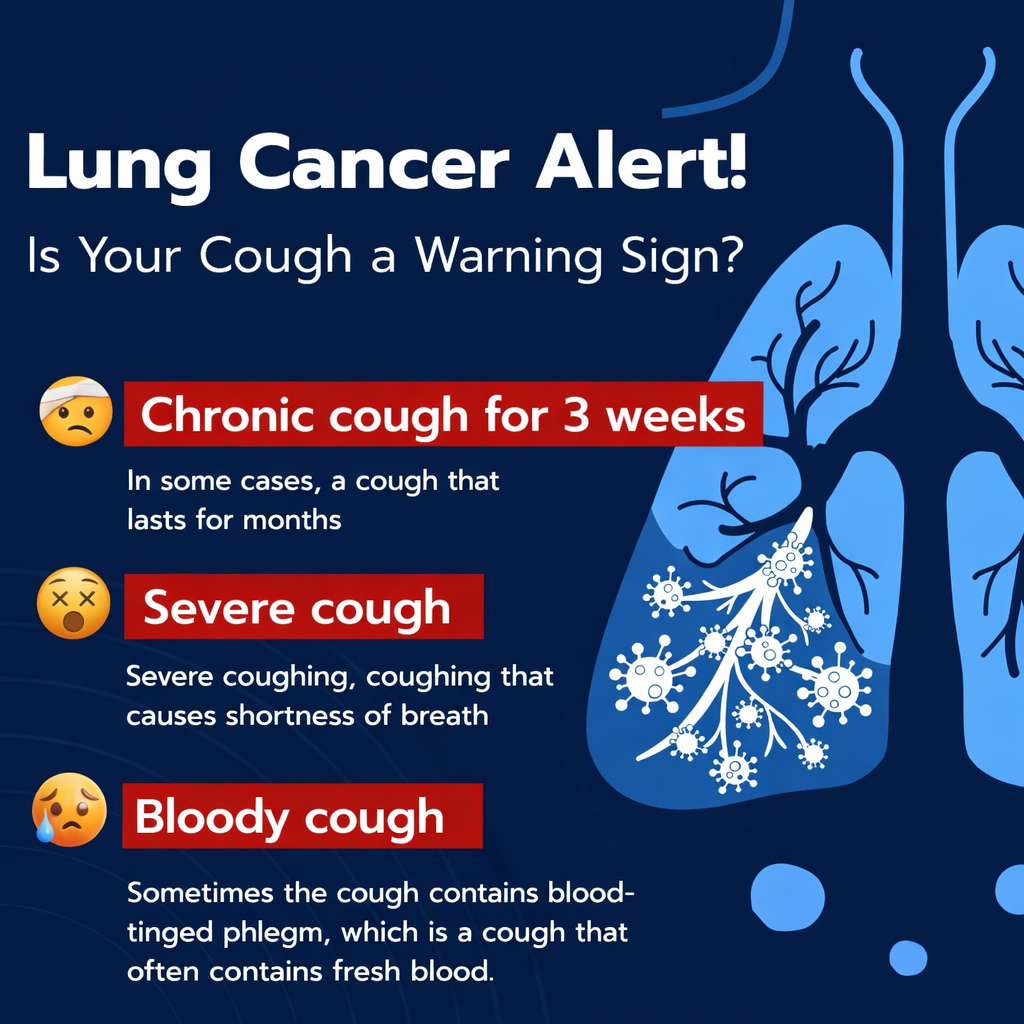
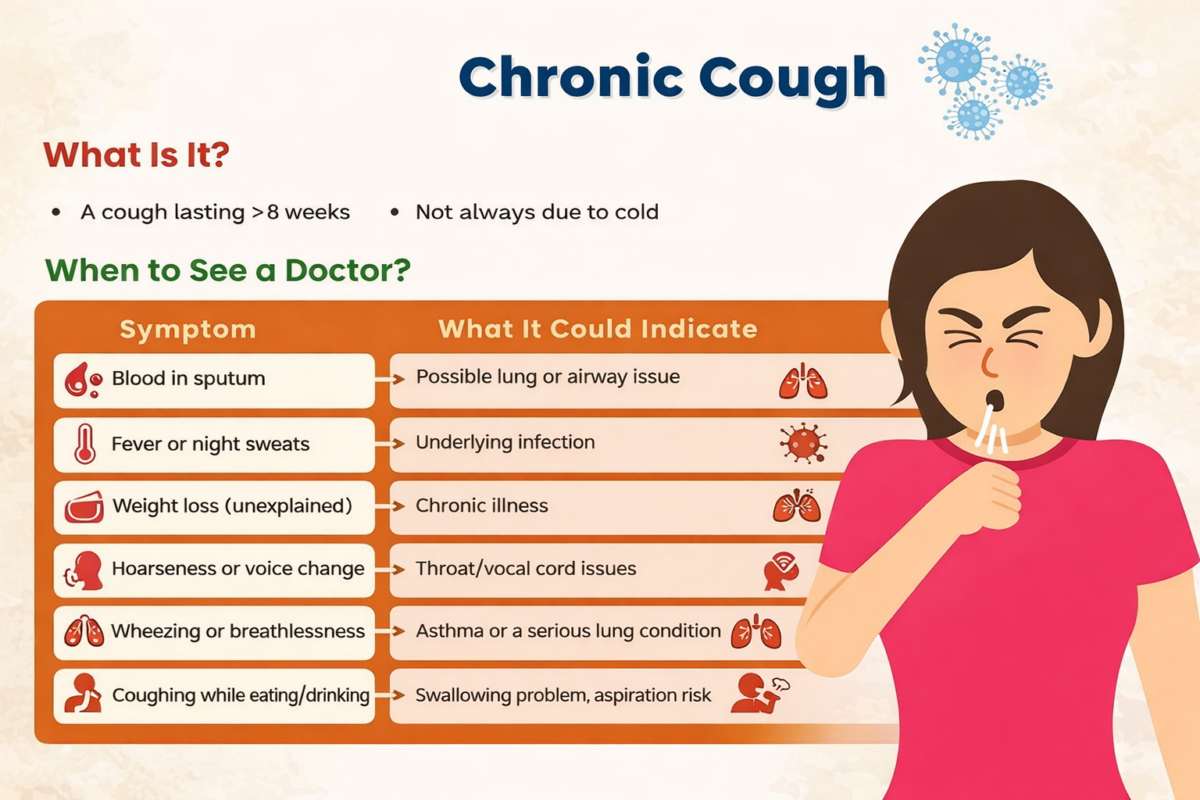
Persistent coughing or difficulty swallowing should also be treated as a warning sign. A persistent cough, hoarse voice, or chest pain could be a symptom of lung cancer or throat cancer. Difficulty swallowing food could be a symptom of cancer of the esophagus, throat, and other parts of the digestive tract. Change in bowel or bladder habits, such as constipation, diarrhea, or frequent urination, could be a symptom of cancer of the colon, rectum, or bladder.
Another symptom of cancer is the appearance of lumps or thickened areas of the body, especially of the breast, neck, and testicles, which could be abnormal tissue growth. Indigestion or difficulty eating, which does not go away, could be a symptom of stomach cancer.
It is imperative to note that it does not automatically mean that a person suffering from any of these symptoms is a cancer patient, as any of the aforesaid symptoms could be a symptom of something else. What makes any of the aforesaid symptoms a warning sign of cancer is their persistence, severity, and inexplicability.
Therefore, if any of the aforesaid symptoms persist for a few weeks, it is imperative that medical advice is sought. The early recognition of any of the aforesaid symptoms is of vital importance, as cancer can be identified at a very early stage, when the chances of recovery are much higher.
3. When to see a doctor Cancer ?
It is extremely important to recognize when it is time to see a doctor for any of the possible cancer symptoms. This is because seeking early medical care for cancer symptoms can result in better treatment outcomes. In this case, it is recommended that if a person recognizes any unusual changes in their body, which persist for more than two or three weeks without a logical explanation, they should consider seeking medical advice.
In addition, if a person recognizes unusual changes such as unexpected weight loss, fatigue, pain, and any other unusual changes that do not improve even after receiving basic medical care, they should consider seeking medical care. This is because, unlike other health changes, cancer symptoms are normally persistent, progressive, and unexplained. In addition, it is imperative not to ignore any of the unusual changes recognized in the body, as cancer symptoms normally manifest themselves as unusual changes.
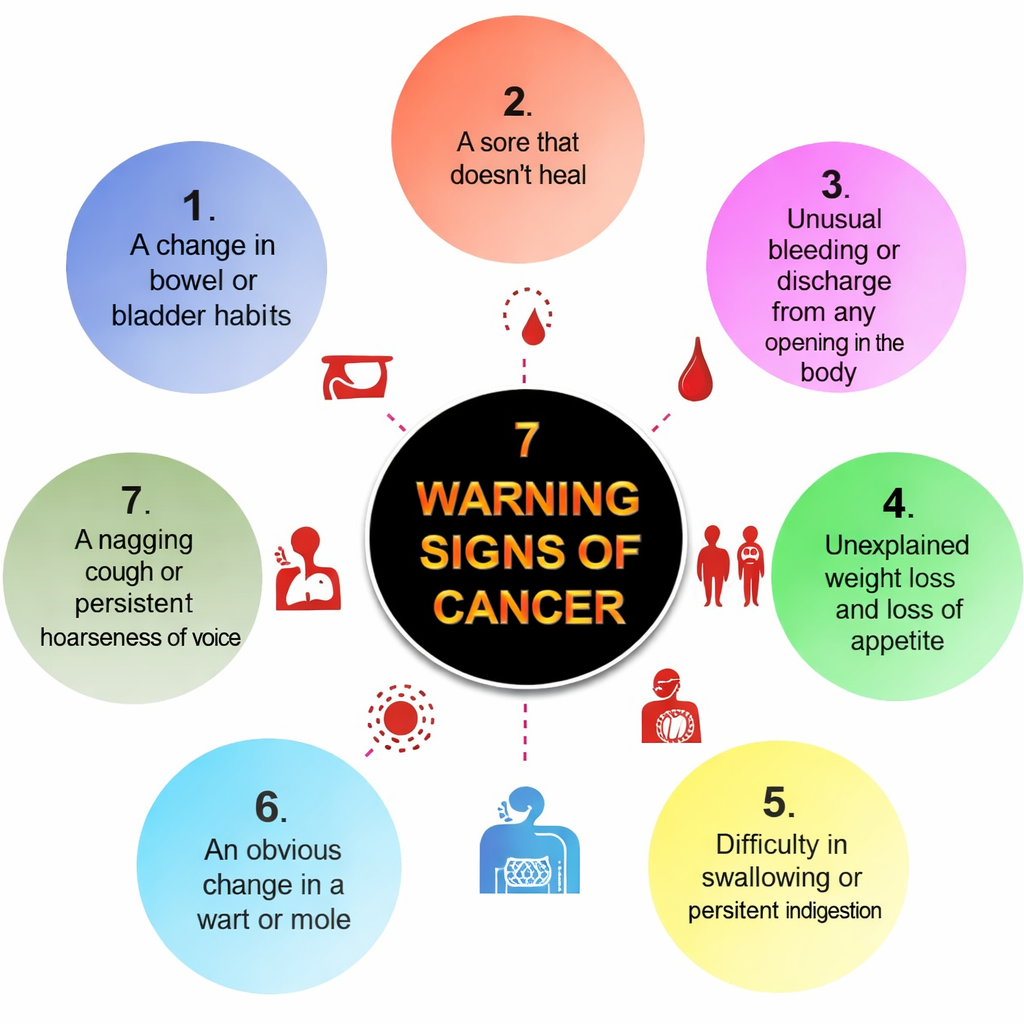
Another reason for seeking medical care for cancer symptoms is when a person recognizes any abnormal changes in their body, such as lumps, swelling, and thickening of any part of the body, especially in areas such as the breast, neck, and testicles. In addition, abnormal bleeding, such as blood in the stool, urine, and while coughing, as well as abnormal discharge, should never be ignored, as it can sometimes manifest itself as cancer.
In addition, changes in the appearance of the skin, including the development of moles, changes in existing moles, as well as unusual sores, can manifest cancer. In addition, unusual digestive problems, such as difficulty swallowing, indigestion, as well as changes in bowel and bladder habits, can manifest cancer of the digestive and urinary systems.
Also, it is advisable to seek medical attention if you have long-lasting respiratory symptoms such as a persistent cough, hoarseness of the throat, and discomfort in the chest, especially if you are a smoker or have been exposed to harmful substances. Moreover, if you have a family history of cancer and have genetic risk factors, it is advisable to be even more careful and to regularly seek medical checkups and screenings even in the absence of symptoms.
Preventive screenings, including mammograms, Pap smears, colonoscopies, and other diagnostic examinations, can also assist in the detection of cancer at an early stage, even before the appearance of symptoms. Thus, it is important to regularly seek medical checkups in the absence of symptoms in order to prevent cancer.
The bottom line in all this is to listen to your body and not ignore the symptoms of cancer because of fear and lack of knowledge. Visiting a doctor may not necessarily imply that something serious is wrong with you, but it will definitely provide you with clarity and reassurance, and in some cases, it may even be life-saving because the chances of successfully treating and overcoming cancer are high if it is detected at an early stage.
4. Myths vs facts about cancer.
When it comes to cancer, it is of critical importance to understand the difference between myths and facts in order to avoid misinformation and make informed decisions. The first myth associated with cancer is that it is a killer in all cases. This is not true because, in recent times, it has been observed that cancer is a highly curable disease, especially in the early stages. Moreover, medical science has also progressed to a great extent in this regard. The second myth associated with cancer is that it is contagious.
This is not true because cancer is a disease of abnormal cell growth in an individual’s own body and cannot be contracted from another person even by touching him or her.
Another myth associated with cancer is that only people who have a history of cancer in their family are prone to it. This is not entirely true because most cases of cancer have been associated with factors such as lifestyle and environmental factors. For example, some people also consider it a myth that using mobile phones, microwaves, and other electronic gadgets in everyday life causes cancer. This is not true because, in this regard, there is not enough scientific evidence to prove this fact. On the contrary, some of the true myths associated with cancer include the fact that smoking, drinking, and exposure to UV rays are some of the main causes of this serious health issue.
Another myth associated with cancer is that the treatment of cancer is worse than the actual disease. This is not true, as chemotherapy and other treatments have fewer side effects today than they did in the past. Moreover, not only do these treatments extend the patient’s life, but they also cure the patient of the actual disease. Furthermore, some people think that if they feel perfectly fine and have not experienced any symptoms of cancer, then they do not have to worry about it. This is not true, as some cases of cancer occur even if the patient is not experiencing any symptoms.
Finally, some people think that cancer can be cured by using alternative treatments such as herbal remedies and special diets. This is not true, as even though a healthy diet is important in order to stay healthy, it is not enough to cure cancer. The best treatment options are those that have been proven to cure cancer and have been suggested by a qualified medical practitioner. This knowledge of the different myths and facts associated with cancer will help people make better and more informed decisions and will ultimately save their lives.
5. As a real-life example, what does cancer do to your body?
In addition, real-life examples of cancer cases help people understand the development, diagnosis, and successful treatment of cancer. For example, some people have survived breast cancer because they noticed early symptoms, such as a small lump in the breast or unusual changes in the shape of the breast, and immediately sought medical attention. Due to early diagnosis through early screening methods like mammograms, the cancer was diagnosed at an early stage, and the patient received effective treatment through surgery and other forms of therapy. These examples demonstrate how awareness and early action can help in saving lives.
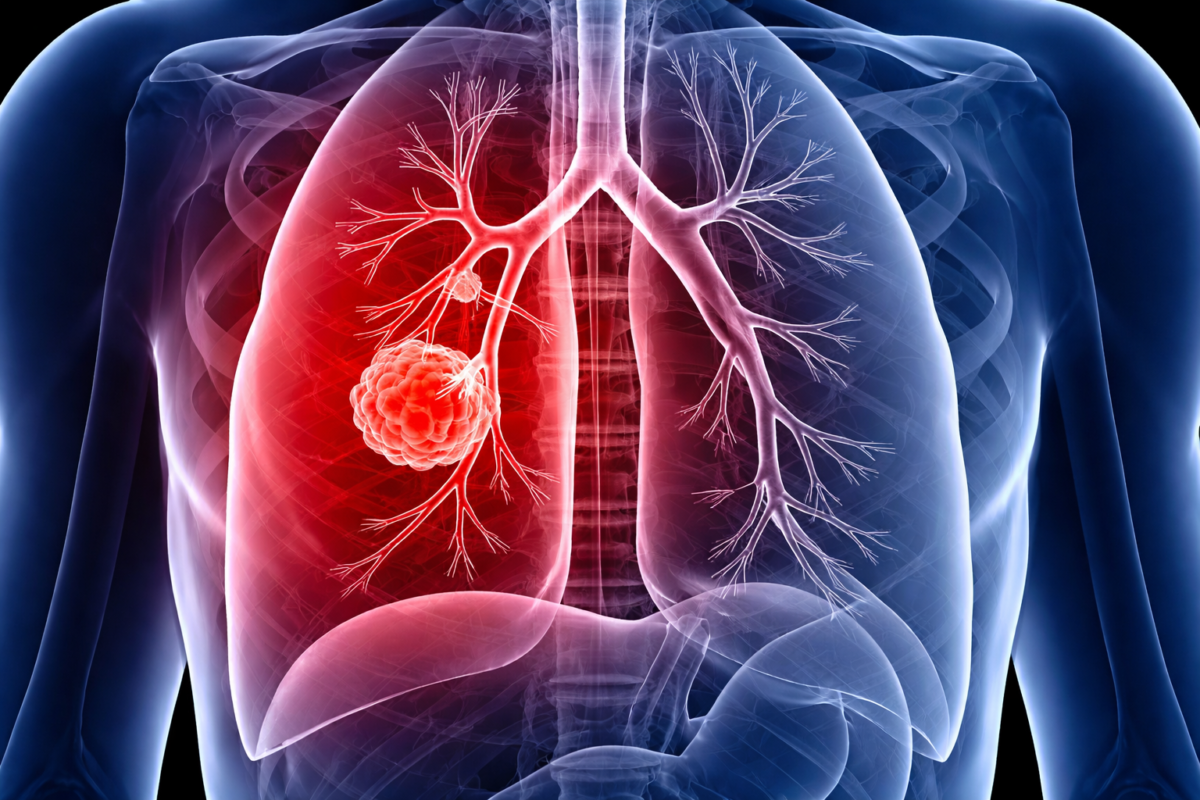
Another real-life example of cancer is lung cancer, especially among smokers and people exposed to air pollutants. Some people suffering from lung cancer often underestimate the early stages of the disease, such as coughing and breathing difficulties, and think they are minor health complications. However, some people who seek early medical attention and early diagnosis through scans and other forms of early medical diagnosis are likely to receive effective treatment. On the other hand, some people suffering from lung cancer often demonstrate how cancer develops and advances to its late stages, especially when they seek medical attention too late.
Colorectal cancer is another form of cancer that offers many real-life examples of the significance of cancer screening. Many individuals who did not exhibit any symptoms of cancer have been identified during colonoscopy screenings, where a doctor removes polyps before they turn cancerous. This not only helps prevent cancer but also offers a glimpse into a world where cancer can actually be stopped before it starts. However, for individuals who exhibit symptoms of cancer, such as blood in their stool, it can prove to be a more complicated process.
There are many stories of people who have successfully battled cancer by a combination of medical intervention, mental grit, and a healthy lifestyle. Patients undergoing chemotherapy and radiation therapy share many stories of how a positive attitude, medical advice, and support from their families helped them through their journey. Such real-life examples not only inspire people but also educate them about the reality of cancer, thereby promoting a positive attitude and a healthy lifestyle.