


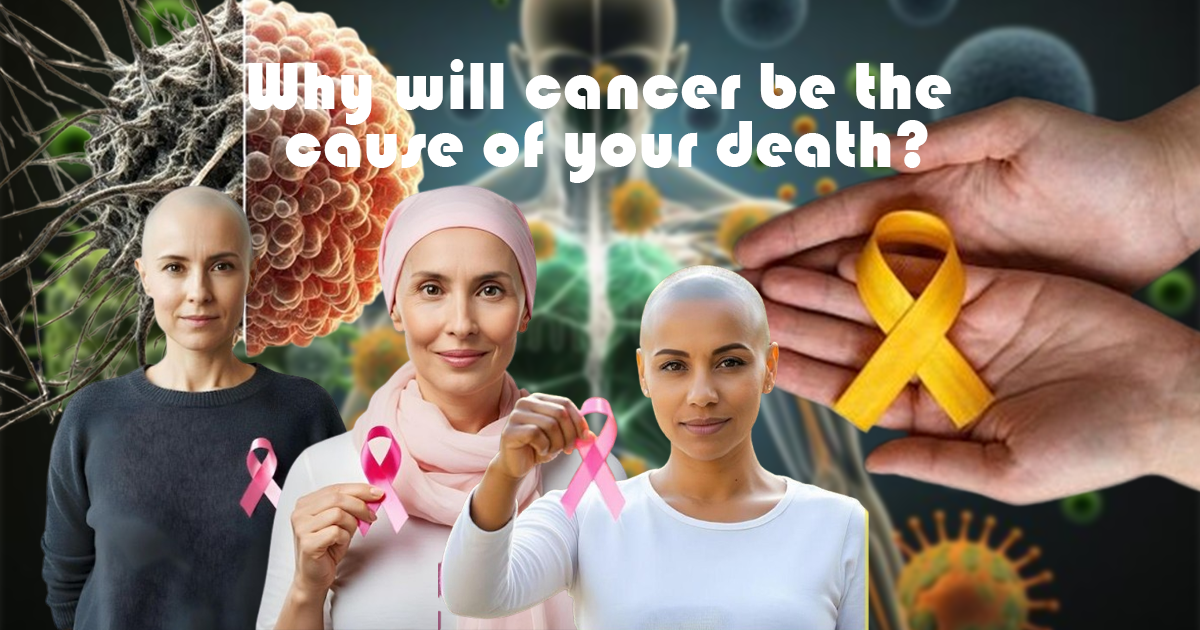
Cancer is one of the most talked-about yet misunderstood diseases in the world. Almost everyone has heard the word “cancer,” and many people know someone who has been affected by it, yet confusion, fear, and misinformation still surround the topic. For some, cancer feels like a sudden and mysterious illness, while for others it is a long and challenging journey that affects not only the patient but also their family and friends. Understanding cancer clearly and simply is the first step toward reducing fear, encouraging early detection, and supporting better health decisions.
At its core, cancer is a disease that begins in the body’s own cells. Under normal conditions, cells grow, divide, and die in a carefully controlled way to keep the body healthy. Cancer develops when this control system breaks down, causing cells to grow uncontrollably, form tumors, or spread to other parts of the body. These changes usually happen over time due to damage in a cell’s DNA, influenced by factors such as lifestyle choices, environmental exposure, infections, or inherited genetic changes. Because cells exist throughout the body, cancer can start almost anywhere, which is why there are so many different types of cancer, each behaving differently and requiring specific treatments.
One of the reasons cancer is considered a serious disease is its ability to interfere with the normal functioning of vital organs. As cancer grows and spreads, it can weaken the immune system, disrupt essential body processes, and significantly affect a person’s physical strength, emotional health, and quality of life. However, it is important to understand that cancer does not develop overnight. In most cases, it progresses slowly, often without noticeable symptoms in the early stages. This makes awareness, regular checkups, and early detection extremely important, as cancer is usually easier to treat when found early.
This blog aims to provide a clear and complete understanding of cancer in simple words. It explains how cancer differs from normal cell growth, how healthy cells turn into cancer cells, and why cancer can affect people in different ways. It also explores the many types of cancer, why cancers are named after the parts of the body where they begin, and how two people can have cancer but experience completely different diseases. By breaking down these concepts, readers can gain a better understanding of how complex yet manageable cancer can be when approached with the right knowledge.
In addition, this blog discusses the common causes and risk factors of cancer, including lifestyle habits, environmental exposure, infections, and inherited genes. It answers important questions about whether cancer is contagious, whether it can be passed down through families, and what warning signs people should never ignore. Since not all cancers show early symptoms, the importance of medical screenings and knowing when to see a doctor is also emphasized.
The blog further explains how doctors diagnose cancer using tests such as imaging, lab work, and biopsies, and why early detection plays a crucial role in successful treatment. It introduces the main treatment options available today, including surgery, chemotherapy, radiation therapy, immunotherapy, and targeted therapy, while also explaining why treatment effects can vary from person to person. Readers will gain insight into whether cancer can be cured, what recovery truly means in cancer care, and how many people go on to live normal, fulfilling lives after treatment.
Finally, this blog highlights prevention, emotional impact, and support systems. It explains how healthy habits can reduce cancer risk, why regular checkups matter, and how cancer affects a person emotionally. It also focuses on the vital role family and friends play in supporting someone with cancer and addresses a crucial question many people fear to ask — whether cancer is always fatal. Through accurate information and compassionate explanation, this blog is designed to educate, reassure, and empower readers with knowledge that can lead to better awareness, timely action, and hope.
Why will cancer be the cause of your death ?
The writer name of shoubhik maity
Table of content :

1. What Is Cancer?
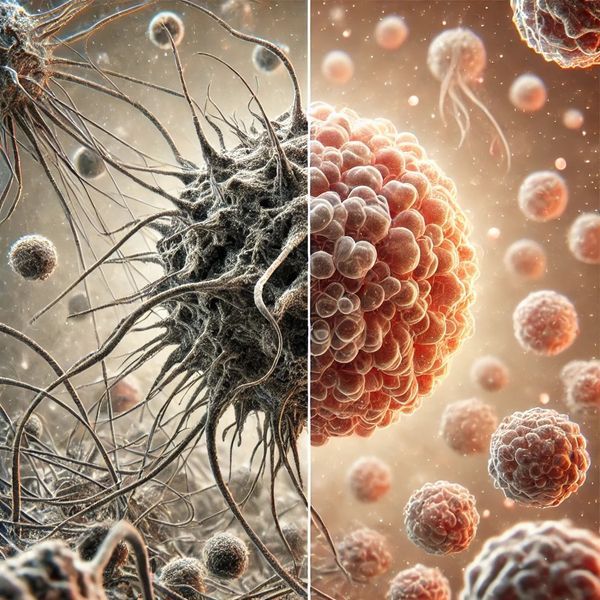
Cancer is a disease where certain body cells start to proliferate and divide out of control, either forming a tumor or spreading to other areas of the body. Body cells typically divide, grow, and die in a systematic manner, but cancer cells disregard these regulations and keep proliferating. This aberrant growth may disrupt the body’s normal functions and harm surrounding tissues and organs. There are numerous types of cancer, each with its own causes, symptoms, and treatments, and they can appear practically anywhere in the body.
2. What distinguishes cancer from healthy cell division?
Normal cells grow, divide, and die in a balanced and controlled manner in response to the body’s demands, which is how cancer differs from normal cell growth. Normal cells stop proliferating and are replaced by new, healthy cells when they sustain damage or age. This control mechanism malfunctions in cancer, causing aberrant cells to proliferate quickly even when they are not required. These cancer cells can invade neighboring tissues or spread to other parts of the body, interfering with normal bodily functions because they do not die when they should.
3. Why is cancer regarded as a dangerous illness?
Because it can harm important organs and disrupt the body’s regular processes, cancer is regarded as a serious illness. Cancer cells can develop tumors, spread to other areas of the body, and impair immunity when they proliferate uncontrollably. Cancer can become fatal and challenging to manage if it is not identified and treated promptly. It also has an impact on a person’s everyday life, emotional stability, and physical health and frequently necessitates lengthy and complicated treatments like radiation therapy, chemotherapy, or surgery.

4. Can cancer affect any part of the body?
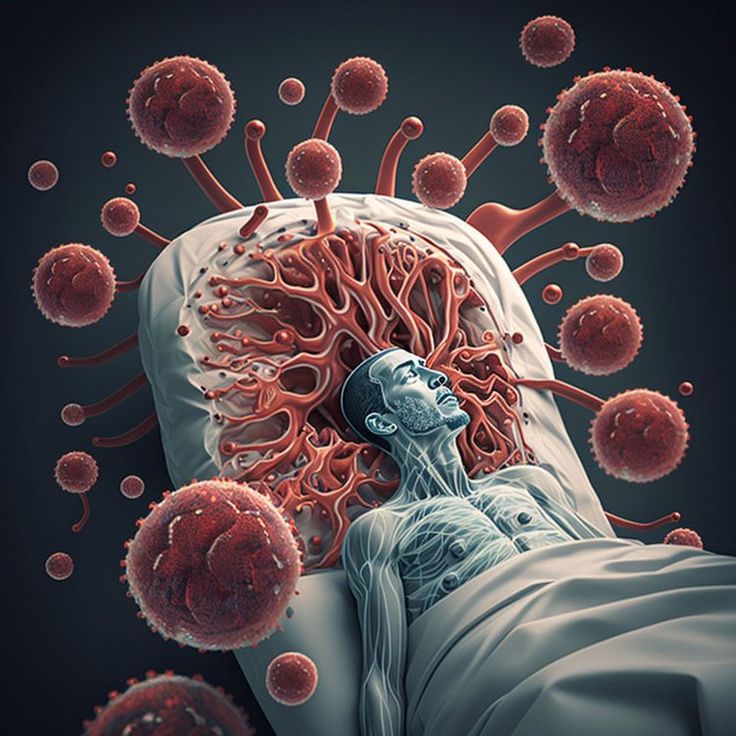
Yes, cancer can affect almost any part of the body because it begins in cells, and cells are present everywhere in the body. Cancer can develop in organs such as the lungs, breast, brain, liver, skin, blood, and bones. Each type of cancer is named after the part of the body where it starts, even if it later spreads to other areas. This ability to occur in many different tissues is one reason cancer is a complex disease with many forms and treatments.
5. How Does Cancer Start?
Cancer starts when changes, called mutations, occur in a cell’s DNA that disrupt normal cell control. These changes cause the cell to grow and divide more than it should and to stop responding to signals that normally tell it to rest or die. Mutations can happen because of factors such as exposure to harmful chemicals, radiation, infections, unhealthy lifestyle habits, or they may occur naturally as cells divide. Over time, these abnormal cells can multiply and form a tumor or spread to other parts of the body.
6. How do healthy cells turn into cancer cells?
Healthy cells turn into cancer cells when their DNA becomes damaged or altered in a way that affects how they grow and divide. Normally, the body repairs damaged DNA or removes cells that are not working properly, but sometimes these repair systems fail. When this happens, the affected cells begin to divide uncontrollably and ignore normal growth limits. As these abnormal cells continue to multiply, they can form tumors and may eventually spread to other parts of the body, becoming cancerous.
7. What happens when cells stop working normally?
When cells stop working normally, they no longer follow the body’s rules for growth, repair, and death. Instead of dividing only when needed and stopping at the right time, abnormal cells may grow too fast or fail to die when they should. This can lead to the formation of damaged tissues or tumors that interfere with the normal function of organs. Over time, these malfunctioning cells can weaken the body, disrupt important processes, and contribute to diseases such as cancer.
8. Does cancer happen suddenly or over time?
Cancer usually develops over time rather than happening suddenly. It begins with small changes in a cell’s DNA that slowly build up over many years. As these changes increase, cells gradually lose control over their growth and behavior. Because this process is slow, cancer often has no clear symptoms in its early stages, which is why regular checkups and early detection are important.
9. Are there different types of cancer?
Yes, there are many different types of cancer, each affecting specific parts of the body. Cancer is usually named after the organ or type of cell where it begins, such as lung cancer, breast cancer, or skin cancer. Some cancers, like leukemia, start in the blood, while others, like sarcomas, start in bones or connective tissues. Each type of cancer can behave differently, grow at different rates, and require different treatments, making it important to identify the specific type for proper care.


10. Why are cancers named after body parts?
Cancers are named after the body parts or types of cells where they first develop to help doctors and scientists identify and treat them more effectively. For example, lung cancer starts in the lungs, and breast cancer begins in breast tissue. This naming system makes it easier to understand which organ is affected, how the cancer may behave, and which treatments are likely to work best. Even if cancer spreads to other parts of the body, it keeps the name of the original location to indicate where it started.
11. Can two people have cancer but different types?
Yes, two people can have cancer but different types because cancer can develop in many different parts of the body and in different kinds of cells. For example, one person might have lung cancer, which starts in the lungs, while another person might have leukemia, which affects the blood. Even though both are cancer, the way they grow, spread, and are treated can be very different. This is why doctors always determine the specific type of cancer before planning treatment.
12. What are the common causes of cancer?
The common causes of cancer include a combination of genetic, environmental, and lifestyle factors that can damage a cell’s DNA. Exposure to harmful substances like tobacco smoke, certain chemicals, or radiation can increase the risk. Infections from viruses or bacteria, such as human papillomavirus (HPV) or hepatitis, can also trigger cancer. Additionally, unhealthy habits like poor diet, lack of exercise, or excessive alcohol use may contribute. Sometimes, cancer can also occur due to inherited genetic mutations passed down from family members.
13. Can lifestyle choices increase cancer risk?
Yes, lifestyle choices can increase the risk of developing cancer. Habits such as smoking, drinking excessive alcohol, eating an unhealthy diet, being physically inactive, or staying exposed to harmful sunlight can damage cells and raise the chance of cancer over time. Even long-term stress or poor sleep may indirectly affect the body’s ability to repair damaged cells. Making healthier choices, like exercising regularly, eating nutritious foods, avoiding tobacco, and protecting yourself from the sun, can help lower the risk of many types of cancer.
14. Does cancer spread from one person to another?
No, cancer does not spread from one person to another like an infection. It is not contagious, so you cannot catch cancer by touching, hugging, or being near someone who has it. Cancer develops from changes in a person’s own cells, caused by factors like genetics, lifestyle, or environmental exposure. However, certain infections, like viruses linked to cancer (for example, HPV), can be transmitted between people, but the cancer itself cannot be passed on.

15. Can cancer be inherited from parents?
Yes, cancer can sometimes be inherited from parents, but not all cancers are genetic. Inherited cancers occur when a person is born with certain gene mutations that increase their risk of developing cancer later in life. For example, mutations in the BRCA1 or BRCA2 genes can raise the risk of breast and ovarian cancer. However, having a genetic mutation does not guarantee cancer will develop—it only increases the likelihood. Most cancers are caused by a combination of genetic, environmental, and lifestyle factors rather than inheritance alone.
16. What are common warning signs of cancer?
Common warning signs of cancer can vary depending on the type, but there are several symptoms people should watch for. These include unusual lumps or swelling, unexplained weight loss, persistent fatigue, changes in the skin like new moles or sores that do not heal, persistent cough or trouble breathing, difficulty swallowing, or unusual bleeding. Other warning signs can be persistent pain or digestive problems that don’t go away. Noticing these signs early and seeking medical advice can help detect cancer sooner, when treatment is often more effective.
17. Do all cancers show early symptoms?
No, not all cancers show early symptoms. Many types of cancer can develop silently for months or even years without causing noticeable signs. For example, pancreatic or ovarian cancers often do not produce early symptoms, making them harder to detect until they have advanced. This is why regular medical checkups, screenings, and paying attention to subtle changes in the body are important, even if you feel healthy, because early detection can improve the chances of successful treatment.
18. When should someone see a doctor?
Someone should see a doctor if they notice unusual or persistent changes in their body that do not go away with time. This includes symptoms like lumps, unexplained weight loss, persistent pain, changes in skin or moles, unusual bleeding, long-lasting cough, or difficulty swallowing. Even if the symptoms seem mild, it’s important to get them checked early because timely medical evaluation can detect problems like cancer or other serious conditions sooner, increasing the chances of effective treatment and recovery.
19. How do doctors find out if someone has cancer?
Doctors find out if someone has cancer through a combination of medical tests and examinations. They usually start by asking about symptoms, medical history, and performing a physical exam. If cancer is suspected, doctors may order imaging tests like X-rays, CT scans, or MRIs to look for tumors. They often perform lab tests, such as blood or urine tests, to check for abnormal cell activity. The most definitive method is a biopsy, where a small sample of tissue is taken and examined under a microscope to see if cancer cells are present.
20. What tests are commonly used?
Common tests used to detect cancer include imaging tests, lab tests, and biopsies. Imaging tests, such as X-rays, CT scans, MRIs, and ultrasounds, help doctors see abnormal growths or tumors inside the body. Lab tests, like blood, urine, or other fluid tests, can detect chemical changes or markers that suggest cancer. A biopsy is the most definitive test, where a small tissue sample is removed and examined under a microscope to confirm the presence of cancer cells. Depending on the type of cancer, doctors may use one or more of these tests together for accurate diagnosis.
21. Why is early detection important?
Early detection of cancer is important because it increases the chances of successful treatment and recovery. When cancer is found at an early stage, it is usually smaller, has not spread, and is easier to remove or control. Treatments like surgery, chemotherapy, or radiation are often more effective and less aggressive when started early. Detecting cancer early can also reduce complications, improve quality of life, and in many cases, save lives. Regular checkups and paying attention to warning signs are key to catching cancer early.
22. What are the main treatments for cancer?
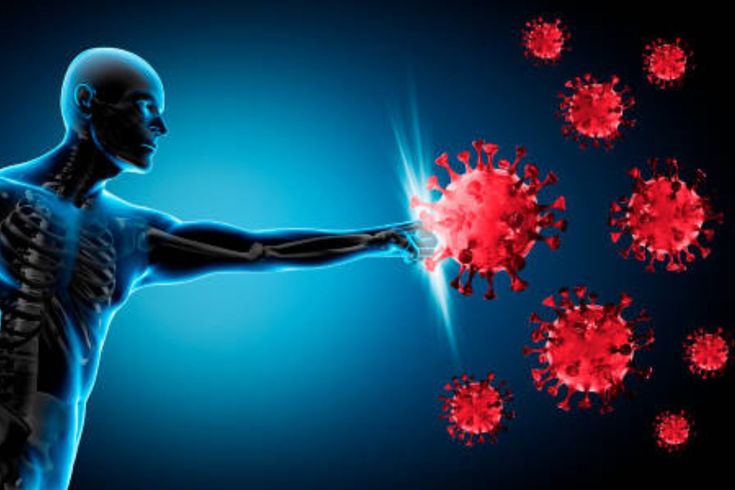
The major treatments for cancer are surgery, chemotherapy, radiation therapy, immunotherapy, and targeted therapy.
Surgery aims at physically taking out the cancer tumor from the body, while chemotherapy employs the use of strong drugs to either kill or slow down the reproduction of cancer cells. Radiation therapy utilizes high, energy rays to kill cancer cells in a certain area. Immunotherapy is a type of drug treatment that helps your immune system to better fight the cancer with the help of natural immune mechanisms, and targeted therapy uses drugs to attack specific molecules or genes that are involved in cancer cell growth. Usually, a doctor decides on a combination of treatments to use based on factors like the kind, stage, and site of the cancer.
23. How do treatments like surgery or medicine help?
Treatments like surgery or medicine help fight cancer in different ways. Surgery removes the tumor or affected tissue from the body, which can eliminate or reduce the cancer before it spreads. Medicines, such as chemotherapy, immunotherapy, or targeted therapy, work by killing cancer cells, stopping them from growing, or helping the immune system attack them. These treatments can shrink tumors, prevent cancer from spreading, and improve the chances of recovery. Often, combining surgery with medicines gives the best results, depending on the type and stage of cancer.
24. Does treatment affect everyone the same way?
No, cancer treatment does not affect everyone the same way. Each person’s body, type of cancer, stage of the disease, and overall health can influence how they respond to treatment. Some people may experience strong side effects like fatigue, nausea, or hair loss, while others have milder reactions. The effectiveness of a treatment can also vary—what works well for one person might not work as effectively for another. This is why doctors often create personalized treatment plans to suit each patient’s specific situation.
25. Can cancer be cured?
Cancer can sometimes be cured, especially if it is detected early and treated effectively, but this depends on the type, stage, and location of the cancer. Some cancers, like certain types of leukemia or early-stage breast cancer, have high cure rates with proper treatment. In other cases, cancer may not be completely curable but can be controlled for many years with treatment, allowing people to live longer and maintain a good quality of life. Early detection, timely treatment, and follow-up care are key factors in improving the chances of a cure.
26. What does recovery mean in cancer care?
In cancer care, recovery means the process of getting better physically, mentally, and emotionally after cancer treatment. It involves the body healing from the effects of surgery, chemotherapy, radiation, or other therapies, and regaining strength, energy, and normal body functions. Recovery also includes regular checkups to ensure the cancer does not return and learning to manage any long-term side effects. Emotional support, healthy lifestyle changes, and rehabilitation programs are often part of recovery, helping patients return to a normal, active life as much as possible.
27. Can people live normal lives after cancer?
Yes, many people can live normal and fulfilling lives after cancer, especially if it is detected early and treated successfully. After recovery, individuals can often return to their daily activities, work, school, and hobbies, though some may need ongoing care or lifestyle adjustments. Regular medical checkups, a healthy diet, exercise, and emotional support help maintain well-being and prevent recurrence. While the experience may bring physical or emotional challenges, with proper care and support, people can continue to lead active, meaningful lives.
28. Can cancer be prevented?
While not all cancers can be completely prevented, many can be avoided or the risk can be reduced through healthy lifestyle choices and regular medical care. Avoiding tobacco, limiting alcohol, eating a balanced diet, staying physically active, protecting skin from the sun, and getting vaccinated against certain viruses like HPV and hepatitis can lower cancer risk. Regular screenings and checkups can also help detect early changes before cancer develops. Making these preventive efforts does not guarantee cancer will never occur, but it greatly improves the chances of staying healthy.
29. What habits help reduce cancer risk?
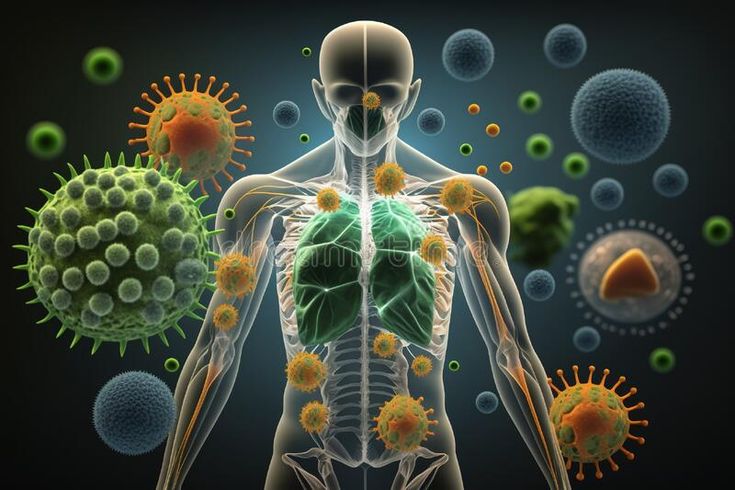
Several healthy habits can help reduce the risk of cancer. Avoiding tobacco in all forms and limiting alcohol intake are very important, as both are major risk factors. Eating a balanced diet rich in fruits, vegetables, and whole grains while limiting processed and sugary foods supports overall health. Regular physical activity helps maintain a healthy weight and strengthens the body’s immune system. Protecting skin from excessive sun exposure, getting recommended vaccines, and attending regular medical checkups and screenings can also lower the chances of developing cancer.
30. Why are regular check-ups important?
Regular check-ups are important because they help detect health problems, including cancer, at an early stage when treatment is most effective. During check-ups, doctors can identify unusual changes in the body, perform screenings, and provide guidance on healthy habits to reduce risk. Early detection often allows for simpler and less aggressive treatment, improves recovery chances, and can even save lives. Regular visits also give people the opportunity to discuss concerns, manage existing conditions, and stay proactive about their overall health.
31. How does cancer affect a person emotionally?
Cancer can affect a person emotionally in many ways, causing feelings of fear, anxiety, sadness, or anger. The uncertainty of the diagnosis, the stress of treatments, and concerns about the future can be overwhelming. Some people may feel isolated or struggle with changes in their daily life and independence. Emotional effects can also impact relationships with family and friends. Support from loved ones, counselors, or support groups can help individuals cope, manage stress, and maintain a positive outlook during and after treatment.
32. How can family and friends support someone with cancer?
Family and friends can support someone with cancer by offering emotional, practical, and social help. They can listen and provide encouragement, help with daily tasks like cooking or transportation to appointments, and accompany them to treatments for comfort. Being patient, understanding, and respectful of the person’s feelings and choices is important, as cancer can be physically and emotionally exhausting. Support groups, shared activities, and simply spending quality time together can also help reduce stress and make the person feel cared for and less alone during their journey.


33. Is cancer always fatal?
No, cancer is not always fatal. Many types of cancer can be treated successfully, especially when detected early, allowing people to live long and healthy lives. Advances in medicine, such as surgery, chemotherapy, radiation, immunotherapy, and targeted treatments, have improved survival rates for many cancers. Even when cancer cannot be completely cured, treatments can often control its growth, relieve symptoms, and improve quality of life. Early detection, timely treatment, and ongoing care are key factors in reducing the risk of fatal outcomes.