Foods to Avoid to Reduce Cancer Risk
April 14, 2026
Best Anti-Cancer Diet Plan: Foods, Protein, Fasting & Science-Based Tips
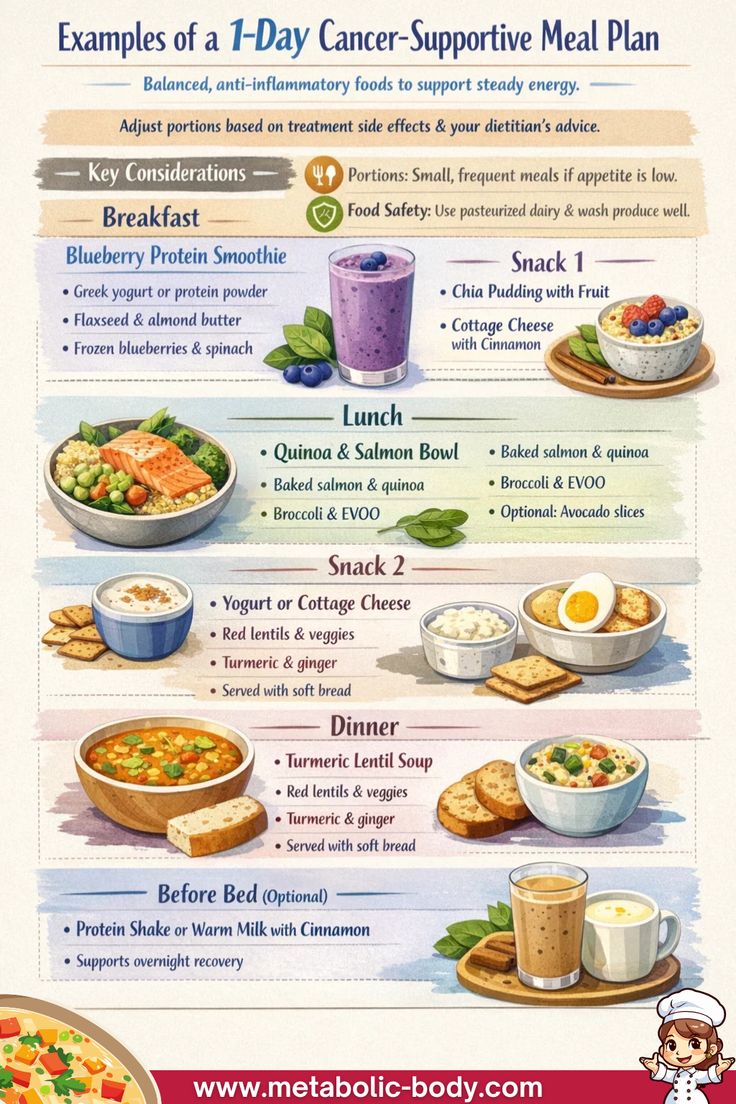
For cancer patients, a balanced diet and lifestyle involve strengthening their bodies and enhancing immunity for recovery. They start their day by drinking warm water and performing some light exercises such as walking and yoga. Breakfast should include healthy foods, such as whole grains, fruits, and nuts. They should consume different types of vegetables, such as spinach, broccoli, and carrots, along with protein-rich foods such as lentils, beans, tofu, eggs, fish, and lean meat.
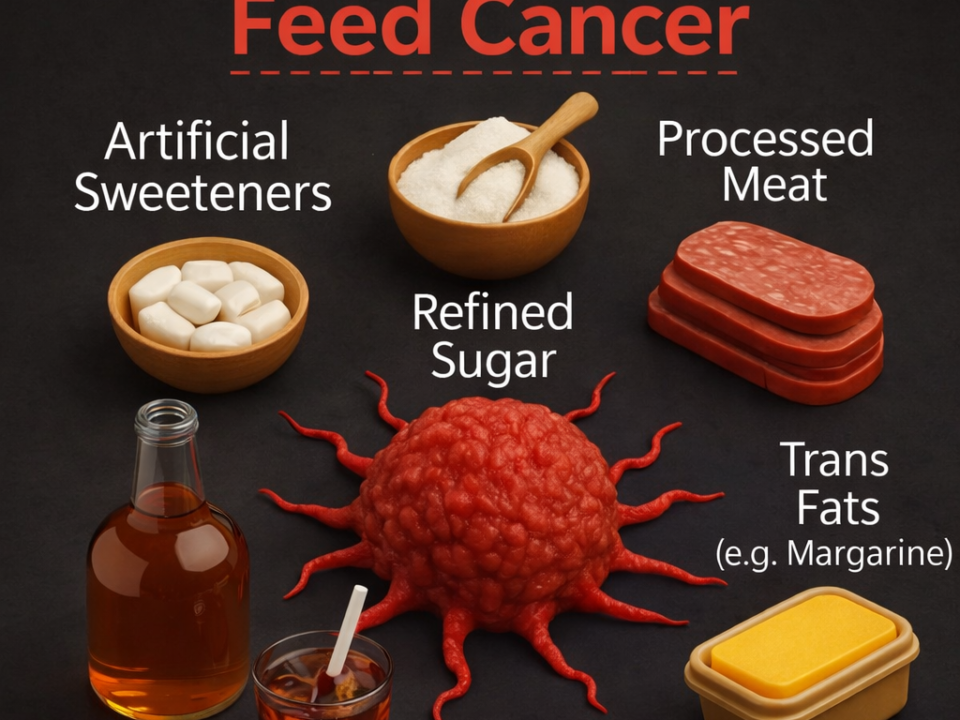
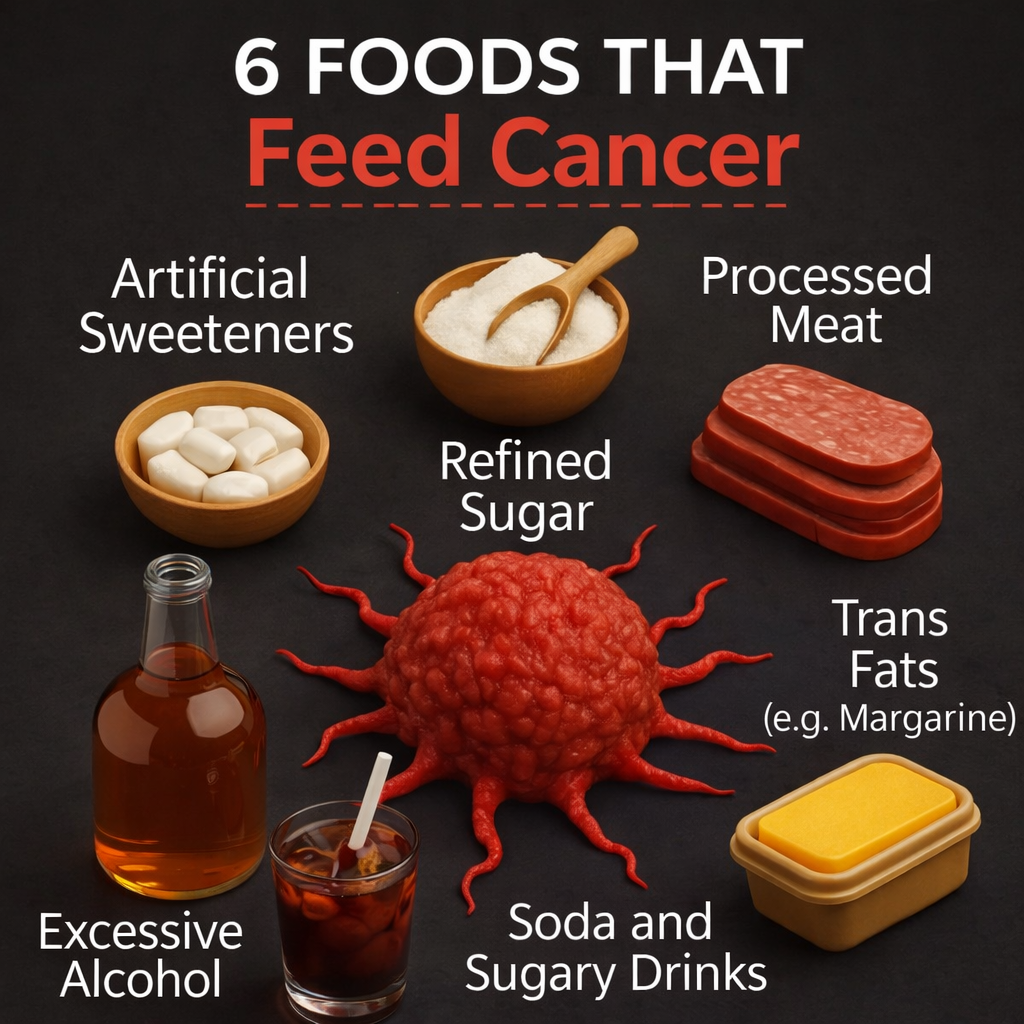
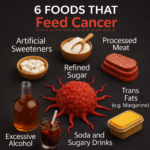
They should keep themselves hydrated by consuming healthy drinks, such as green tea and herbal tea. It is necessary for cancer patients to obtain sufficient amounts of vitamin C, vitamin D, and zinc from natural food products. In addition to their diets, getting enough sleep, managing stress, and engaging in exercise play an essential role in maintaining their well-being. Cancer patients must avoid foods that have been processed and have high sugar contents. Moreover, they must quit smoking and drinking. Although this dietary and lifestyle advice does not cure cancer, it helps enhance their quality of life.
The writer name of shoubhik maity
Table of Contents
1. Anti-Cancer Diet for Boosting Immunity
The anti-cancer diet based on improving your immunity consists of easily available foodstuffs which will keep you fit and boost the elimination of any negative elements. You can include berries, spinach, broccoli, and carrots in order to get enough antioxidants. Moreover, you should not forget about the use of turmeric, garlic, ginger, which are great for decreasing the level of inflammation. Whole grains, nuts, and seeds will provide you with the necessary nutrients, whereas green tea and herbs can be also useful. Nonetheless, one should refrain from consuming processed products, excessive amount of sugar, and fats, as they tend to lower your immune level.
1.1 Foods that strengthen immune system
The food that helps boost immunity for the treatment of cancer includes foods that supply the body with essential nutrients for strengthening the body’s natural defenses. Some of the fresh fruits which have vitamin and antioxidant content include berries, oranges, and papaya. These fruits prevent cell damage by supplying the body with protective components. The use of vegetables such as broccoli, spinach, and carrots plays an important role in helping to reduce inflammation and boost immunity.
Foods that help boost the body’s immunity include garlic, ginger, and turmeric due to their natural components which boost the immune system. Proteins such as eggs, lentils, fish, and nuts promote body tissue repair. Consumption of grains such as brown rice and oatmeal will help to provide steady energy to the body. Avoidance of unhealthy processed foods and excessive sugars is vital since they can negatively impact the immune system.
1.2 Role of vitamins (C, D, zinc)
Vitamins and minerals such as vitamin C, vitamin D, and zinc are vital elements that contribute immensely to the functioning of the immune system, particularly in patients with cancer. Vitamin C, found in food products such as oranges, amla, and berries, plays a crucial role in ensuring the safety of the body against infections by protecting the cells from any harm. Vitamin D can be acquired through exposure to the sun and consuming foods such as fortified milk and eggs. It aids in regulating immune responses and may help boost the effectiveness of the immune system against illness. Zinc, on the other hand, can be consumed from foods such as nuts, whole grains, legumes, and seeds.
1.3 Lifestyle tips
Having a healthy lifestyle contributes greatly in boosting one’s immunity when suffering from cancer. Adequate sleep is essential in repairing the body’s immunity system. Exercise that is not intense, such as light jogging, stretching, or yoga, will help to enhance the levels of energy and the immune system. Stress is also known to have an adverse effect on the body’s immunity. One way of relieving oneself of any form of stress is by meditation, taking deep breaths, or walking in the park. Hydration and having a healthy diet contribute greatly to a person’s well-being. One should stay away from cigarettes, alcohol, and unhealthy foods.
2. High-Protein Anti-Cancer Diet (Vegetarian & Non-Veg)
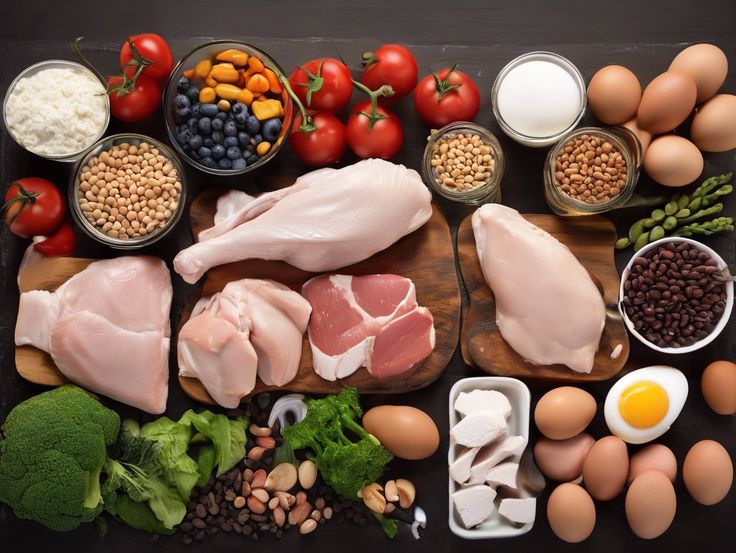
A high protein diet which includes both vegetarian and non-vegetarian foods is extremely important for boosting strength, tissue healing, and immune function during the process of recovery from cancer treatments. In the case of vegetarians, protein sources such as lentils, chickpeas, beans, tofu, paneer, and nuts are great options. Grains like quinoa and oats can also increase the protein content of your diet. In the case of non-vegetarians, protein sources like eggs, fish, chicken, and lean meat are great options.
All these food products can be included in meals, combined with vegetables and fruits to provide balanced nutrition. The key to a healthy immune system and good health is the consumption of fresh and healthy foods in the best possible manner.
2.1 Plant proteins (lentils, tofu)
Vegetable proteins such as lentils and tofu are wonderful sources that help maintain good health among those under cancer treatment. For instance, lentils are filled with protein, fibers, iron, and antioxidants that are known to boost the immune system while helping digestion. Tofu, which is derived from soybeans, is a very good source of protein and also contains calcium, hence contributing to tissue healing and strength retention. In addition to being easily digestible, these proteins are very easy to prepare for various dishes, including curries, soups, and salads. The best part about choosing vegetable proteins is the reduced consumption of unhealthy fats.
2.2 Lean meats & fish
Meat and fish are key examples of proteins that are of high quality and offer the body with strength and immunity against diseases and infections in cancer treatment. Poultry products, including chicken and turkey meat, are very lean foods that are easy to digest and therefore contribute to maintaining energy levels. Omega-3 fatty acids are found in large quantities in fish, including salmon and sardines; these fats lower levels of inflammation and help keep the heart healthy. These foods should be included in diets in moderate amounts and cooked without much use of oils.
2.3 Why protein matters in cell repair
The importance of protein during cancer treatment is associated with the fact that it supplies the body with nutrients known as amino acids, which contribute to cellular restoration. In such cases when damage has been inflicted on cells due to cancer and its therapy, additional nutrition is required. Protein is essential for repairing such damaged cells, maintaining muscle strength, and helping the immune system work correctly. Additionally, proteins help the body produce important hormones and enzymes, contributing to recovery processes. Eating foods rich in proteins, such as legumes, eggs, and fish, will contribute to successful healing.
3. Intermittent Fasting and Cancer Prevention
Intermittent fasting refers to cycles of fasting and eating, and this practice is being investigated as a possible way to help prevent cancer. Intermittent fasting could possibly help keep one’s blood glucose levels under control, help fight inflammation, and facilitate cell repair. In other words, during the fasting phases, one’s body would be able to get rid of the harmful cells and improve metabolism. Nevertheless, although preliminary results seem to be very promising, intermittent fasting cannot be considered a cure-all solution in terms of preventing cancer. Those people who experience cancer should always speak with their doctors before adopting such a regime, since their dietary needs differ from normal people’s ones.
3.1 What is fasting
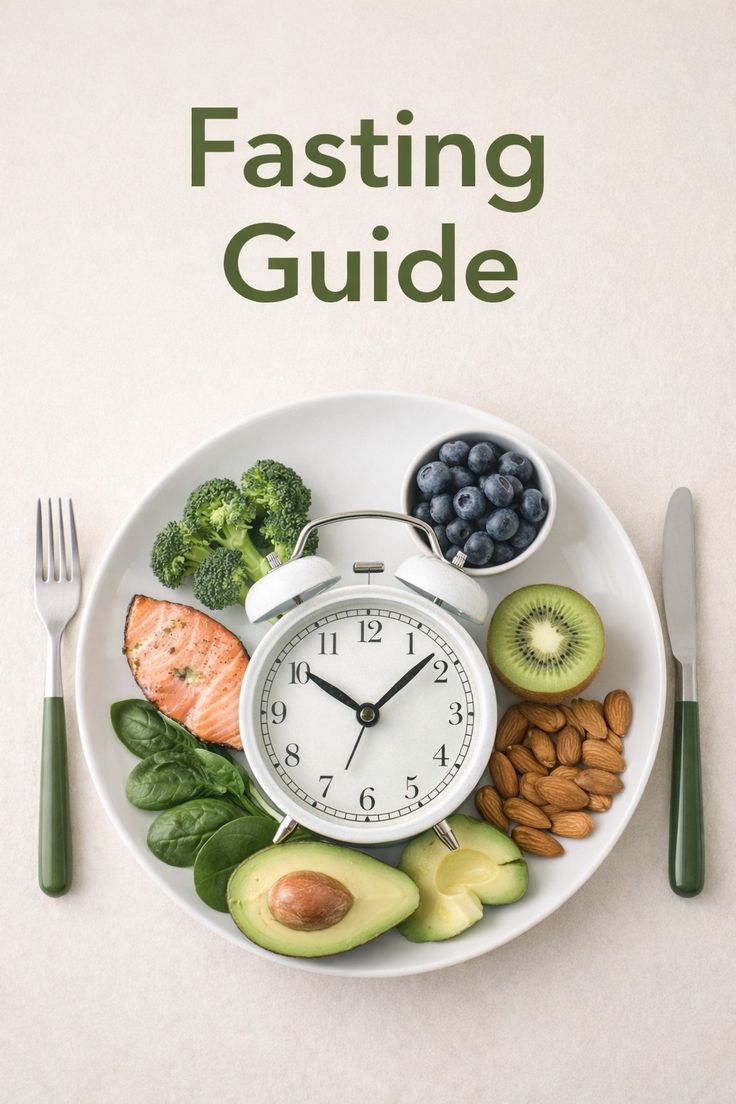
Fasting involves refraining from consuming food over a particular duration of time, during which the body gets an opportunity to rest and concentrate on its inner workings rather than digesting food. While fasting, one might continue consuming water or any other calorie-free liquids depending on the method of fasting being followed. Fasting may be undertaken in the form of short breaks between meals or even extended fasting durations. It is usually undertaken for various purposes such as health, spiritual, or lifestyle purposes.
3.2 Possible benefits (cell repair, metabolism)
There is some potential that fasting can give people, especially in relation to natural cell restoration and metabolic processes. In the fasting stage, there is a chance that people’s bodies can go into a mode of cleansing themselves from dead cells through a biological phenomenon known as autophagy, which allows for healthier cellular function. Moreover, it can have an effect on improving metabolic activities, such as utilizing fatty deposits in the body as sources of energy, stabilizing blood glucose levels, and sensitizing the body towards the hormone insulin. However, such benefits can only be obtained if proper procedures are followed, and the activity should not be performed by those who are under medical supervision.
3.3 Who should avoid it
However, there are instances where intermittent fasting would not be appropriate for a person’s particular medical condition. Those who are going through cancer therapy and suffer from illnesses like diabetes cannot fast because it can lower their blood sugar level and reduce energy. For pregnant and breastfeeding women, it is better to get continuous nourishment for good health, as fasting would deprive them of important nutrients needed for themselves and their babies. Fasting would only worsen the condition of those who are too thin, recovering from sickness and surgery, or have suffered from an eating disorder in the past.
4. Scientific Evidence Behind Anti-Cancer Foods
According to scientific studies, some foods have components that could be beneficial in protecting the body from cancer. Fruits and vegetables are full of antioxidants that reduce damage inflicted on the body through the presence of free radicals. Other foods such as berries, green tea, and leafy greens contain polyphenols, which act as anti-inflammatory agents and have protective qualities.
Curcumin, an ingredient found in turmeric spice, has been shown to have properties that can inhibit abnormal cell proliferation. Cruciferous vegetables like broccoli contain elements that facilitate detoxification activities in the body. Although these foods are proven to play significant roles in cancer prevention, one should realize that there is no one food item that can either prevent or cure cancer.

4.1 Research-based insights
Insights from research prove that diet can be a helpful approach to lowering the risk of cancer and improving general well-being. According to the findings of scientists who study nutrition, eating more fruit, vegetables, whole grains, and beneficial fats is associated with reduced levels of inflammation and increased effectiveness of immunity. Scientists have established that antioxidants and phytochemicals can prevent cell injury and assist with cell restoration.
There is scientific evidence that certain vitamins and minerals can affect cell development and reaction to stress. However, almost all the scientific data collected by nutritionists is derived from observational and experimental studies, which implies that outcomes might differ from patient to patient. Therefore, healthcare professionals emphasize that maintaining a healthy lifestyle is essential to sustaining good health; however, it should be combined with adequate medical treatment.
4.2 Keep it simple & readable
A variety of studies have revealed that consuming healthy food plays an important role in ensuring good health and reducing chances of developing serious conditions such as cancer. Fruits, vegetables, and whole grains have natural substances that assist in boosting the immune system and cell activities such as DNA replication. Food items with high nutritional value also minimize damage from free radicals. Although there is no one food that can guarantee cancer prevention, the importance of diet and a healthy life cannot be overlooked.
4.3 Cite studies (for authority)
Evidence from reputable sources is available to support the importance of nutrition in the prevention of cancers as well as general health benefits. For instance, the World Health Organization emphasizes the importance of eating a balanced diet, including plenty of fruits and vegetables, which will assist in reducing cancer risks. The American Institute for Cancer Research also encourages consumption of plant foods and minimization of processed products based on the latest scientific studies. Scientific research by the National Cancer Institute indicates that antioxidants may offer protection against the damaging effects of free radicals on the body.
5. Anti-Cancer Diet Myths You Should Stop Believing
There are a lot of myths surrounding antineoplastic diets that may prove to be harmful. For instance, there is a myth suggesting that some foods such as superfoods are capable of curing cancer, whereas no food can achieve that goal as a medical treatment is needed. Moreover, many believe that if an individual does not consume any sugar, he/she will prevent the development of cancer, but this myth ignores the fact that the body needs glucose for energy.
In addition, some people tend to fast in order to cure cancer, and it can lead to severe health issues if it is performed without proper knowledge and professional guidance. Many individuals also associate various supplements with health and believe that they may help to get rid of cancer, but this myth is also based on false information.
5.1 “One food cures cancer” myth
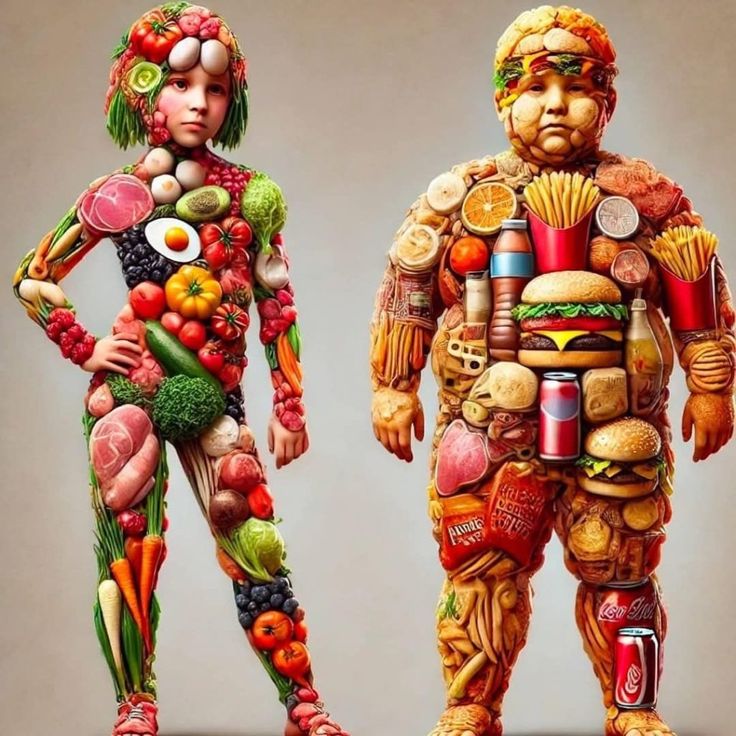
It is a misconception that there exists only one type of food that can act as a cure for cancer. Although certain foods have been found to have nutrients and compounds that can help treat and prevent disease, cancer is a multifaceted disease that cannot be healed with any single kind of food. It has been revealed by various organizations such as WHO and NCI that healthy eating habits play a vital role in treating diseases, including cancer. Foods do help patients in healing and building immunity, but they cannot be considered a substitute for medication.
5.2 Detox myths
It is a widely held myth that detox diets and detox drinks will help in cleansing your body from toxins and treating and even preventing cancer. In fact, you already have a natural detoxification system in your body, which consists mainly of your liver and kidneys, and they work efficiently to eliminate all sorts of toxins and wastes. No studies or clinical evidence has found any proof for the effectiveness of juice fasting, detox drinks, and radical diets for cleansing the body of toxins and curing or even preventing cancer. Some detoxification treatments can actually be harmful to the body.
5.3 Clarify misinformation
The dissemination of misinformation regarding anti-cancer diets may cause unnecessary confusion, which may result in poor dietary habits, and hence it is crucial that facts take precedence. There is no particular food item, supplement or detox regime that has proven to be capable of preventing or curing cancer by itself. The body’s detoxification mechanisms are well-developed enough without having to undergo an excessive or untested diet or remedy. It is scientifically evident and advocated by reputable bodies such as WHO and American Institute for Cancer Research that a well-balanced diet comprising of fruits, vegetables, whole grains and proteins is key to maintaining overall health and well-being.