Best Anti-Cancer Diet: Foods That May Help Prevent Cancer
April 3, 2026
Best Anti-Cancer Diet Plan: Foods, Protein, Fasting & Science-Based Tips
April 21, 2026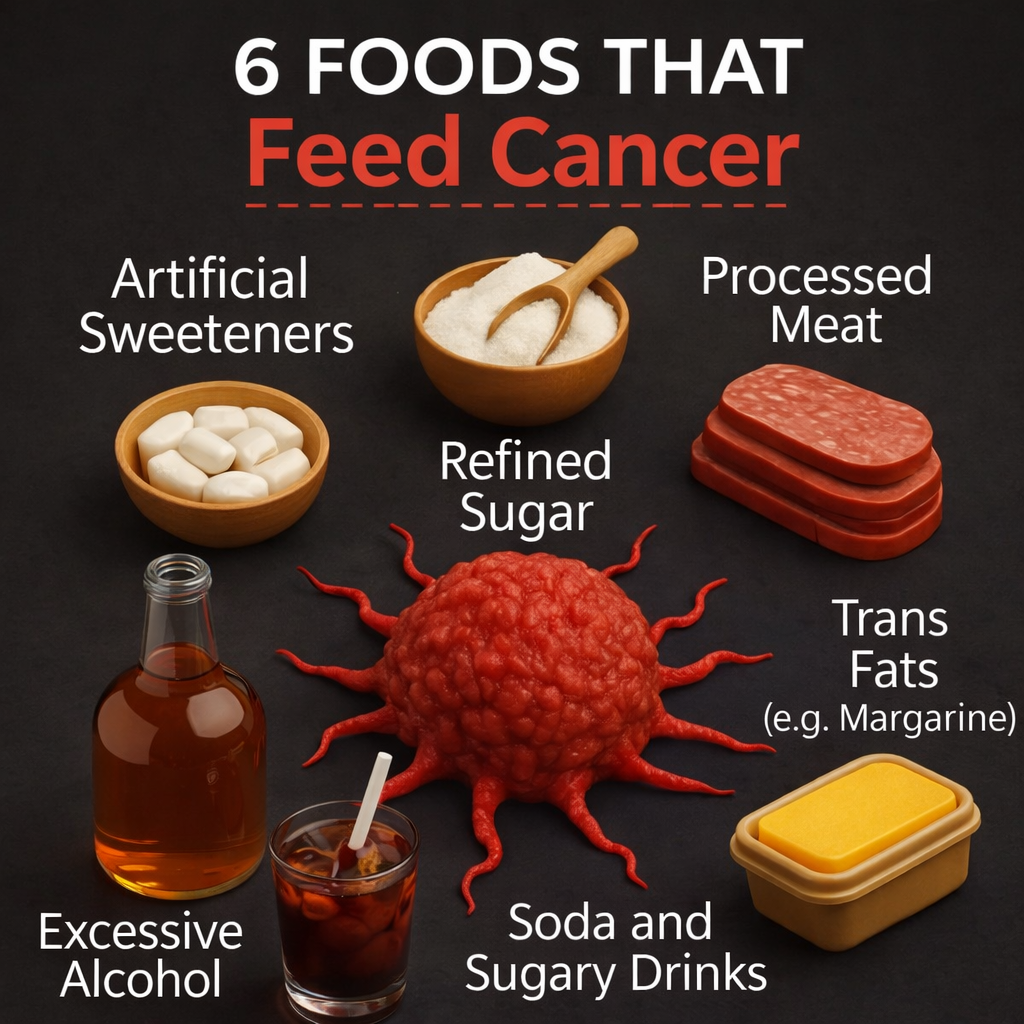
Foods to Avoid to Reduce Cancer Risk
Here is a comprehensive and easy-to-understand resource explaining the relationship between diet and cancer and overall well-being. It discusses what kinds of food should be avoided like processed meats, unhealthy snacks, and refined sugar because they cause inflammation, oxidative stress, and cell damage. This post also mentions healthy options and superfoods that can boost one’s immunity to fight disease. Some traditional Indian foods have also been mentioned that can help build resistance to disease. Furthermore, some important terms like free radicals, immunity, and myths related to diet and cancer have also been clarified here.
The writer name of shoubhik maity
Table of Contents
1. Foods to Avoid to Reduce Cancer Risk
The importance of diet in shaping future health is very significant, and there are particular foods that should be avoided to prevent chronic illnesses, including cancer. Even though there is no specific cause-and-effect relationship between any food and cancer occurrence, regular consumption of unhealthy and highly processed foods may promote inflammation, oxidation, and hormonal imbalances within the body that lead to the growth of malignant tumors. Being aware of what foods should not be consumed is the first step towards improving one’s lifestyle.
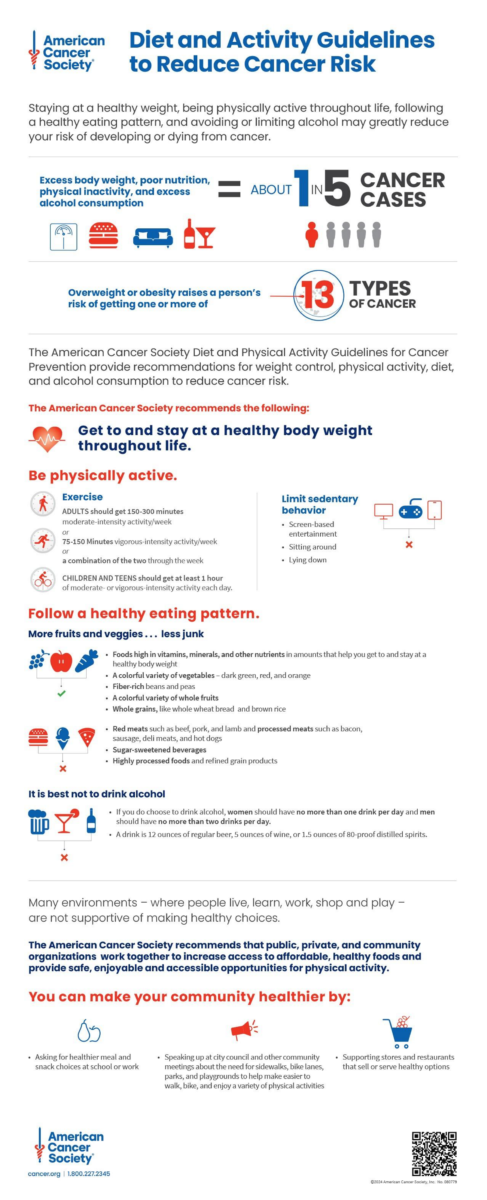
Among all other foods, it is vital to avoid eating processed meats. Food products like sausages, bacon, hot dogs, and smoked meat usually consist of additives that may turn into hazardous substances inside the body. Moreover, some chemical reactions occur during the process of smoking or curing meat, which increases the probability of developing various types of cancers, especially of the colon and rectum. Thus, substituting processed meats for healthier options may prove to be quite beneficial.
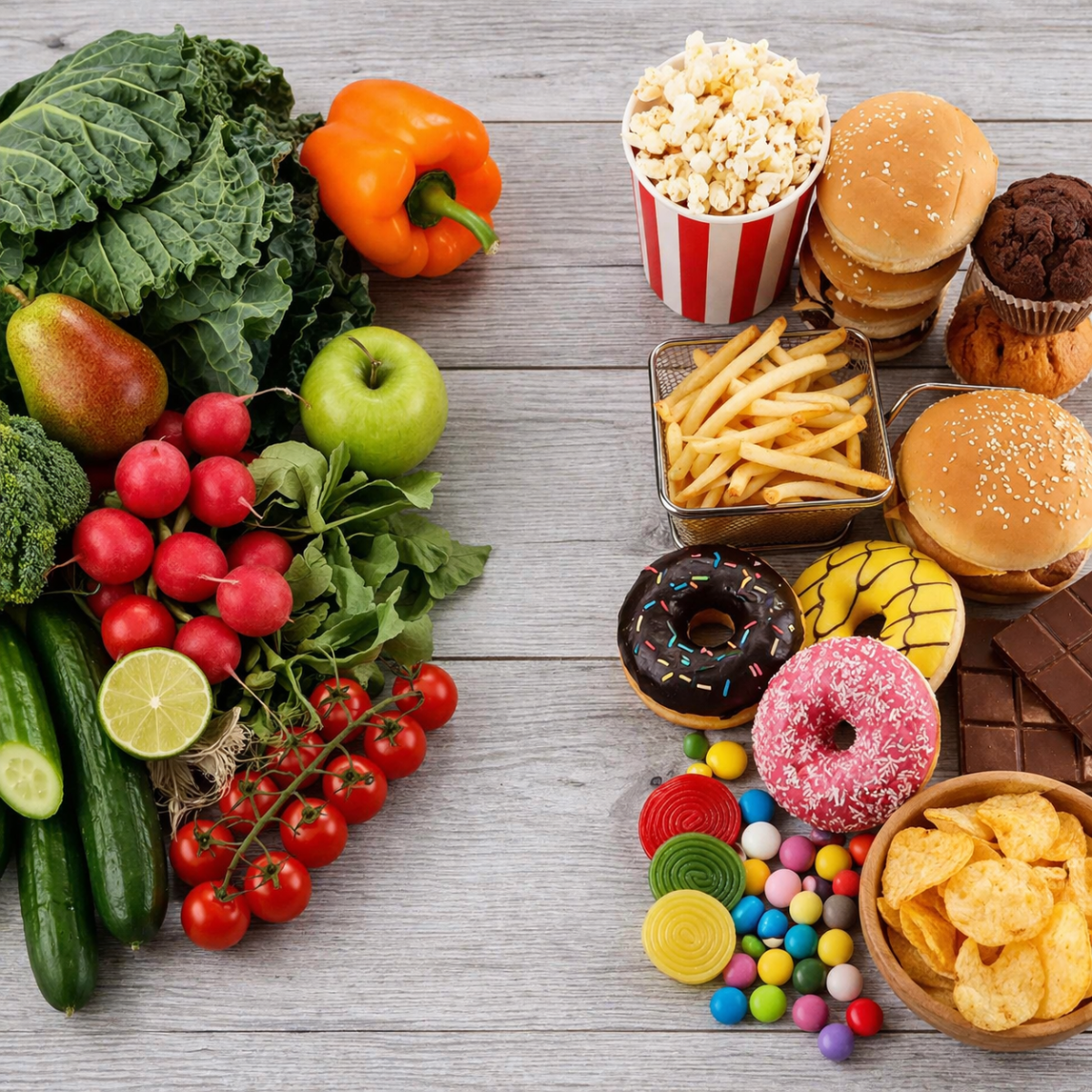
Junk food and foods that are highly processed are also of great concern. Foods such as pre-packaged snack foods, instant noodles, chips, and fast foods have been shown to be loaded with bad fats, refined carbohydrates, and chemicals that could be considered to be health hazards. Such foods also tend to increase body fat and inflammation, both of which have been linked to increased risks of developing cancers. In addition, foods prepared through high temperature frying or deep-frying techniques create chemical compounds that could damage body cells and tissues.
Processed and refined sugars, on the other hand, must be limited because even though they do not directly cause cancer, their consumption could lead to weight gain, insulin resistance, and chronic inflammation. These are some of the factors that could make an individual vulnerable to certain types of cancer. Soda pop drinks, desserts, and other sweets usually contain large amounts of refined sugars with negligible amounts of nutrients.
Refined carbohydrate foods, including refined grain products such as white bread, white rice, and white flour products, should also be avoided because they trigger quick rises in blood sugar levels. They also contain relatively high levels of glycemic index levels.
Another important aspect related to cancer risk is excessive alcohol consumption. It is known that frequent drinking is connected with developing such cancers as liver cancer, breast cancer, mouth cancer, and cancers of the digestive system. Moderation in alcohol consumption or its avoidance can greatly help minimize the risks and promote better health.
Moreover, it should be noted that foods containing trans fat and unhealthy oils should not be consumed. Foods like this usually include various fried and packed products. Such fats can cause inflammation processes and affect heart health, increasing cancer risks.
Thus, a reduction in processed meat, junk foods, sugar, alcohol, and fats can considerably decrease risks for developing cancer. A mindful eating strategy based on whole and natural foods can help create a healthier inner ecosystem that will allow better protection from diseases.
1. Processed Meat, Junk Food, and Refined Sugar: How They Contribute to Cancer Risk
In modern society, we tend to prioritize convenience in every aspect of life. Consequently, people prefer to eat fast foods, processed meat, or other junk foods on a regular basis. Although the consumption of these foods is tempting, scientists indicate that the consumption of such foods may increase the likelihood of developing cancer. In order to understand how certain foods impact the development of cancerous cells, it is important to learn about the mechanisms of how such foods impact our health.
Processed meat is one of the most harmful foods for human beings. According to scientists, sausages, bacon, ham, and even packaged deli meat may increase the chances of developing cancer. Such products include a variety of preservatives, such as nitrates and nitrites, which are used to add flavor and prolong shelf life. Under the influence of heat or digestion, these components produce nitrosamines, which have been proven to be carcinogenic. Moreover, smoked and cured products contain various chemicals that may cause cancer. The consumption of processed meat was declared carcinogenic to humans. Therefore, it is recommended not to use such products and substitute them with alternative sources of proteins, including fish and poultry.
On the other hand, junk food, usually composed of fast food, fried food, and pre-packaged food containing harmful levels of fat, sodium, and preservatives, acts as another agent of cancerous change through a slightly distinct but equally dangerous mechanism. Junk food tends to be calorie-rich but nutritionally weak, resulting in an obese state for individuals who consume excess quantities of such food. Obesity is considered a risk factor for developing breast, liver, and pancreatic cancer. Besides, junk foods usually contain trans-fats and chemically altered fats, which encourage persistent inflammation in the body. Persistent inflammation is another critical risk factor for cancer since it damages cellular structures and hinders their restoration process.
Refined sugar is also a potential carcinogen found in various foods and drinks. Foods and drinks rich in sugar content such as soft drinks, candies, desserts, etc., cause sharp fluctuations in glucose and insulin concentrations. High insulin levels may result in the proliferation of cancer cells since cancer cells benefit from elevated levels of energy sources like glucose. In addition, refined sugar intake is associated with obesity and metabolic conditions such as insulin resistance and diabetes type 2, which are linked to higher cancer risks.
Although the sugar molecule doesn’t directly ‘cause’ cancer in individuals, the indirect effects it has on the body may promote the development of the disease.
Another important aspect regarding these unhealthy eating habits and cancer is oxidative stress. Many processed foods, as well as those that contain a lot of sugars, do not include important compounds that provide protection against harm from free radicals. The accumulation of oxidative stress within the body leads to DNA damage, making mutations possible and thereby promoting cancer. Moreover, such diets may cause changes in the composition of the gut microbiome and harm it because many processed foods have negative impacts on it. The gut microorganisms are very important for immunity and inflammation control.
It should also be noted that the excessive consumption of such food products often replaces healthier food choices in the diet. As a rule, when there is an excessive dependence on foods like processed meats, junk food, and sweets, people consume less natural foods, including fruits, vegetables, whole grain products, and foods rich in fibers. Such foods play an important role in fighting cancer because of being very beneficial for health thanks to their antioxidant properties, phytonutrient content, and dietary fiber. Dietary fibers are especially valuable for the proper functioning of the digestive system as they promote defecation and cleanse the organism from toxic substances.
It does not mean that a reduction in the consumption of such food products deprives one of the pleasure of eating. On the contrary, it means a change towards a much healthier and balanced diet. Adding to one’s nutrition healthy and minimally processed foods, such as fresh vegetables and fruits, seeds and nuts, lean proteins and legumes, will bring numerous benefits for one’s health and help prevent cancer. Even minor changes in daily routine may result in impressive outcomes in the long term.
In summary, although the sporadic consumption of processed meats, unhealthy foods, and sugar does not necessarily cause any damage to our body immediately, their regular and heavy consumption can lead to an increased risk of cancer via different mechanisms such as inflammation, obesity, oxidative stress, and cancer-causing substances. Making ourselves aware of what we eat and consuming healthier alternatives are some of the best actions that we can take for the benefit of our own health.
2. Explain risks (carcinogens, inflammation) of cancer
Among the major risks associated with consumption of processed meats, junk food and refined sugar is the existence and creation of carcinogens – chemicals able to cause cancer through DNA damage or altering the functioning of cells. Carcinogens in processed meats can develop either during preservation and cooking stages. For example, chemicals used for extending shelf-life, such as nitrates and nitrites, can transform into toxic chemicals, called nitrosamines in the body. Besides, meats, grilled or fried on high temperature, develop HCAs and PAHs.
All these chemicals have direct negative effect on the DNA of a person. They lead to DNA alterations resulting in the occurrence of mutation that may provoke cancer initiation in the future. Constant consumption of such foods and, consequently, being constantly exposed to carcinogens raises the probability of getting cancer.
Another vital mechanism of carcinogen formation related to these products is the constant activation of the inflammatory process. Inflammation is one of the basic mechanisms for responding to any damage caused to a person. However, if it occurs constantly, it creates a perfect background for cancer development. It has been found that many kinds of junk food include trans-fats and refined carbohydrates stimulating inflammation.
Likewise, the consumption of too much refined sugar causes frequent increases in blood glucose and insulin concentrations, which might facilitate inflammation signaling pathways. Chronic inflammation could cause harm to healthy cells, compromise the effectiveness of the immune system, and hinder proper DNA repair mechanisms.
Inflammation is also associated with tumor development. In the presence of inflammation, cells tend to proliferate excessively, while the natural processes of removing unhealthy cells become less efficient. Inflammatory factors, such as cytokines, could enhance cell growth and block apoptosis, which allows for the survival and propagation of harmful cells, making it easier for cancer to occur and metastasize. Additionally, inflammation might induce angiogenesis, the process necessary for tumors to obtain nutrients and grow.
Finally, there is also evidence linking carcinogenic foods with inflammation through oxidative stress. The consumption of many processed or high-sugar products does not provide adequate amounts of antioxidants, which helps to eliminate harmful free radicals from the body. As a result, oxidative stress occurs as these free radicals continue to damage cell structures and DNA, thus contributing to the formation of cancer. This condition often develops alongside inflammation, reinforcing one another.
To summarize, on the one hand, carcinogenic substances harm cells’ DNA; on the other hand, chronic inflammation leads to the creation of conditions favorable for developing tumors and maintaining them alive. Therefore, the development of cancer becomes significantly more likely due to this combination of damaging processes that occur within the body because of improper nutrition. Hence, avoiding these risk factors becomes crucial to ensuring good health in the future.
3. Healthy Alternatives to Processed Meat, Junk Food, and Refined Sugar
Consuming health food does not necessarily mean compromising on taste or satisfaction. This is because all that one needs to do is to substitute unhealthy food items with healthier versions. In case of unhealthy meat products like sausage, bacon, or prepared meat slices, it is always advisable to go for fresh unprocessed meats like chicken and fish or plant-based proteins such as lentils, chickpeas, beans, and tofu. These foods contain no preservatives but offer healthy ingredients like high quality protein, iron and healthy fats. Other important factors to consider when choosing health foods include cooking methods. Steaming, boiling, baking and low temperature grilling are recommended cooking techniques.
Healthy food choices should be made by avoiding junk and going for whole food items that are easy to prepare at home. Some examples of these kinds of foods include roasted nuts or seeds, air-popped popcorn and other baked goods. Fruits and vegetables are also good snack foods as they contain fiber and vitamins that protect the body from damages caused by oxidation and inflammation. It is also advisable to avoid white flours and replace them with healthier whole grains such as brown rice, oats, quinoa and wheat products.
One can cut back refined sugar through a gradual process of incorporating more natural forms of sweetness. Bananas, apples, berries, and dates, among other fruits, not only fulfill the craving for sweets, but they contain fiber and essential nutrients as well. One can also consume a limited amount of natural sweeteners like honey or jaggery. However, one needs to regulate their intake of natural sweeteners, just like refined sugars. Making smarter choices in terms of consuming healthier beverages can go a long way in reducing sugar intake and keep oneself hydrated in the process. For instance, water, coconut water, fruit juices, and herbal teas can replace sugary drinks like soda and energy drinks.
Moreover, another aspect to consider when trying out healthier alternatives would be balancing the meals and incorporating different types of foods into the daily diet plan. Vegetables such as leafy greens, carrots, tomatoes, and bell peppers will ensure a diverse intake of phytonutrients and antioxidants which will fight off inflammation and oxidative stress. Consuming healthy fats, found in olive oil, fatty fish, nuts, and seeds, among other foods, can boost one’s health even further by contributing to overall well-being and fighting inflammation.
Over time, these little changes that we make in our lives can really add up to a lot when it comes to lowering the chances of developing certain diseases, like cancer. Eating a healthy diet that consists of whole foods allows your body to build a strong immune system as well as help your body heal.
2. How Diet Affects Cancer Risk (Beginner Guide)
The meals consumed daily have an enormous influence on health and cancer risks. For starters, one should note that cancer is rarely caused by a single factor but usually results from several factors acting over time, one of which is the food eaten daily. The food eaten has the ability to either protect or harm cells depending on their ability to support natural cell growth, repair, and defense against any illness.
Among many other ways in which diet influences cancer risks, one of the major influences relates to the impact of the type of diet on cellular structure and DNA. Some foods have been found to contain elements capable of causing mutations or DNA destruction while other types of foods create a favorable environment that enables the occurrence of mutations. Processed meat and junk food are some of the unhealthy foods known to lead to mutations and cancer. Conversely, some healthy foods contain nutrients that play an essential role in protecting DNA from destruction and mutation.
Inflammation, which occurs when the body experiences injury or is under any type of threat, is another key point that must be considered. Acute inflammation is beneficial for recovery purposes but long-term inflammation creates conditions that are favorable for the development of cancer. A diet with processed foods, unhealthy fats, and sugar is associated with triggering long-term inflammation. A diet consisting of whole and fresh products that contain fiber and healthy fats contributes to decreasing inflammation.
Body weight and metabolism are the other factors that should be analyzed when discussing the connection between cancer and nutrition. In most cases, the lack of a proper diet leads to obesity and being overweight. It is important to mention that there is evidence that suggests that obesity and being overweight have a connection with various types of cancer. Moreover, the consumption of sugar and carbohydrates increases the level of insulin, which is also one of the factors that influence cancer cells development.
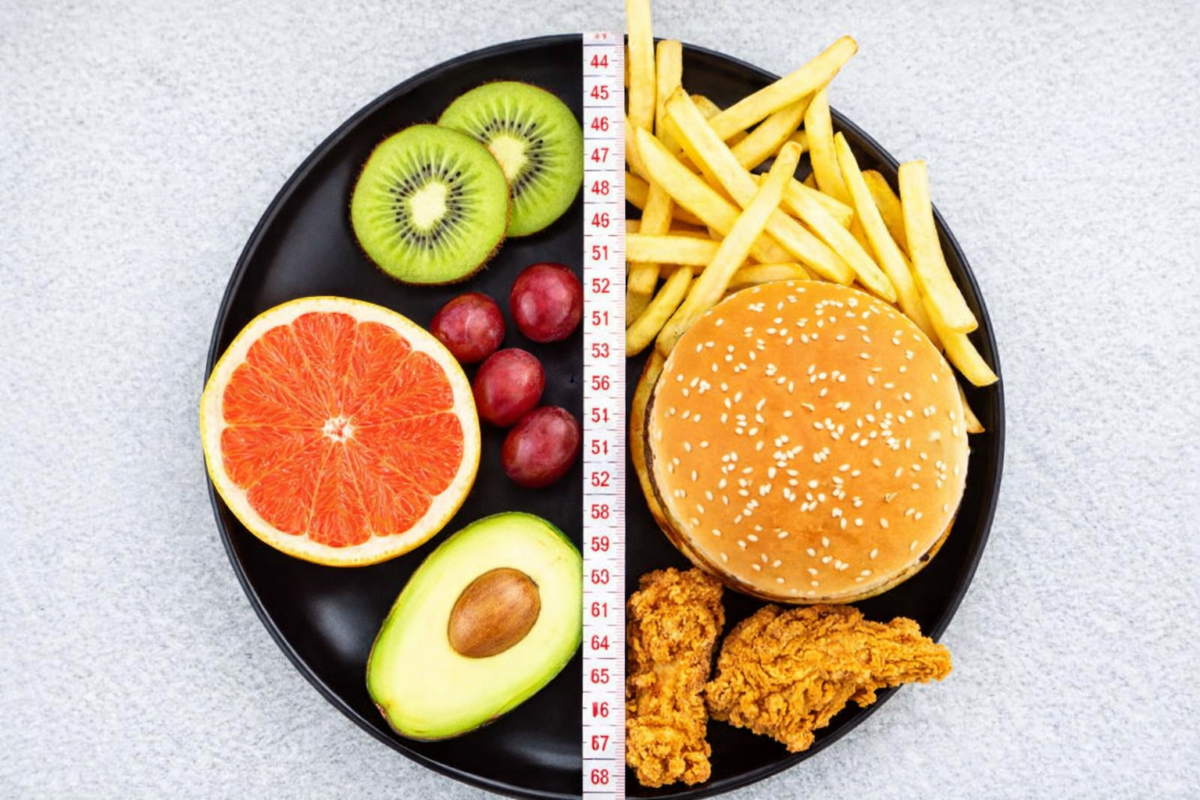
Nutrition also plays an important role in the maintenance of gut flora. The digestive tract has trillions of good bacteria whose roles include controlling immunity, inflammation, and digestion processes. Eating foods rich in sugars and chemicals can affect the bacteria population, compromising the body’s immune system and making a person more vulnerable to diseases. On the other hand, foods like fruits, vegetables, lentils, and whole grains feed the good bacteria, enhancing the body’s capacity to prevent cancer development.
It is crucial to remember that nutrition acts as a lifestyle factor rather than a single treatment strategy. Consuming unhealthy foods from time to time will not be harmful to one’s health. However, continuous consumption of poor-quality foods might have negative consequences in the future. The same applies to healthy foods. While they cannot ensure total prevention, they will decrease the chances of developing cancer significantly.
As a beginner, it is recommended to make minor changes in the diet, which should become sustainable in the long term. One might opt to consume whole foods rather than highly processed products, eat more colorful fruits and vegetables, cut down on the consumption of extra sugars, and stay properly hydrated.
To sum up, diet plays a critical role in determining one’s chances of developing cancer due to various mechanisms, such as DNA protection, inflammation regulation, proper weight maintenance, and optimal functioning of the gastrointestinal tract. Hence, being selective in choosing food products and following a healthy dietary regimen may be regarded as an important step in preventing cancer.
1. Link Between Food and Cell Health
Cell health in relation to food can be considered one of the most important factors of the influence of diet on the development of cancer. All the functions performed by cells in the body depend on the intake of nutrients from food consumed. These include vitamins, minerals, proteins, fats, and carbohydrates necessary for proper functioning and reproduction of each organism. When there is a balance of these components in the body, the work of all its cells is carried out successfully; they have good DNA stability and are ready to cope with any damage to themselves. However, lack of nutrients leads to dysfunction, increases the risk of diseases and even cancer.
The other role of nutrients that has a direct impact on the development of cancer is providing protection for DNA. DNA is the structure of each cell containing information about what a certain cell should do. Nutritious food rich in antioxidants, such as vitamin C, vitamin E, and phytonutrients is beneficial for the protection of DNA. The main task of antioxidants is to eliminate free radicals that damage DNA and may result in mutations. Mutations in DNA are the cause of the abnormal growth of cells leading to cancer.
However, diets rich in processed food, poor quality fat, and sugar can have detrimental effects on cell health. Ingestion of such foods increases oxidation and inflammation, causing damages to cells and impairing their functions. Excessive consumption of sugar can elevate glucose concentrations in the blood, creating conditions under which cells suffer from stress and undergo pathological growth. Moreover, dangerous chemicals contained in processed foods may act on the structure of cells, impeding their capacity to perform their physiological activities.
Another critical element in sustaining healthy cells is the ability to repair and regenerate cells continuously. The replacement of old and damaged cells with new cells needs proper nutrition. Proteins supply amino acids for the construction of new cells, and vitamins and minerals are necessary for enzymes used in repairing processes. A deficiency in such vital nutrients leads to inefficient repairs, resulting in the survival of damaged cells, which may transform into cancer cells.
Food also impacts cellular communication and regulation of cellular growth. Essential fatty acids found in nuts, seeds, and some oils help maintain the integrity of cell membranes and promote proper communication between cells. If there is interference in this process, which is typically caused by an unhealthy diet, cells will not receive instructions from their neighbors on whether to grow, divide, or even die, and hence pose a higher risk for developing cancerous cells.
To conclude, what we eat determines the quality of the body’s cells and their functioning and life span. An optimal nutritional diet with unprocessed foods enables the body to have excellent cellular protection, healing, and regulation, which helps prevent cancer development. In contrast, eating mostly processed and harmful foods leads to weak cell defenses and promotes cancer development.
2. Role of Immunity in Cancer Prevention
The immune system performs several key roles in preventing various kinds of diseases, including cancers. This refers to its natural function where it constantly surveys for any abnormalities or damages within the body and eliminates them before they turn out to be detrimental. As a result, the immune system helps prevent the formation and development of cancers by being capable of detecting initial stages of cancer formation and eliminating the cells through several mechanisms of action that include antibodies and white blood cells. Therefore, without the immune system, chances of developing cancer are extremely high due to lack of immune surveillance.
Nutrient-rich food directly affects the functionality of the immune system. For instance, consumption of vitamin-rich foods helps in strengthening immune systems, thus enabling one to develop adequate resistance against infections caused by abnormal cells. Some of the vitamins that enhance immune activity include A, C, D, and E; similarly, some minerals, such as zinc and selenium, enhance immune function. Therefore, foods that are considered rich in nutrients are those such as fruits, nuts, seeds, vegetables, and grains. Apart from their nutrient content, foods such as the above reduce oxidation and inflammation, thus promoting good immune health.
Conversely, a poor diet can affect the functionality of the immune system. Foods that have been processed, contain refined sugar, or are high in unhealthy fats can negatively influence immune reactions and hinder the body’s ability to recognize and fight off any potential threats. Eating too much sugar, for example, has been associated with reducing the effectiveness of the white blood cells involved in responding to any threats to the body. Furthermore, regularly eating junk food can lead to sustained inflammation that affects tissue and even disrupts the immune response process.
The immune system is also affected by the state of the gut in terms of the types of foods consumed. Most immune components are found within the gastrointestinal tract, where good bacteria play an essential role in regulating the immune system and fighting off any foreign agents. Consuming foods with high amounts of fiber from fruits, vegetables, and grains ensures that the good bacteria are healthy and functioning well to support the immune system. However, foods that are processed and high in sugars can cause an imbalance in the gut microbiota.
The immune system also acts as a regulator of the spread of cancerous cells throughout the body. Even if the abnormal cells start to grow, the immune system works to keep the rate of their spread at bay; thus, preventing them from spreading into other organs. On the other hand, in case the immune system is weak as a result of poor nutrition and lack of exercise, among others, the body will find it difficult to regulate the growth of such abnormal cells.
To conclude, having a strong and effective immune system is one of the best ways through which the body can lower its risk of developing cancerous cells. One of the major ways of ensuring a healthy immune system is through proper diet. Healthy food increases the efficiency of the immune system while unhealthy food does the opposite.
3. Simple Explanation of Free Radicals
Free radicals are reactive substances that occur naturally within the body during regular biological processes such as metabolism. They may also enter the body through external sources including environmental pollution, tobacco, junk food, and radiation exposure. The danger associated with free radicals is that they have one less electron, making them highly reactive molecules. In order to stabilize themselves, free radicals attempt to steal an electron from surrounding healthy cells. As a result, damage occurs to the cells as well as critical components within them such as DNA, protein, and membrane structures.
A buildup of free radicals creates a condition called oxidative stress. The imbalance created by the excess number of free radicals causes cellular damage. When there is damage done to the DNA within cells without repair, the possibility of mutation increases. This, in turn, raises the likelihood of cancer developing. Simply put, free radicals are destructive agents in the body that attack healthy cells until they are controlled.
There is also an innate defense mechanism for combating free radicals in the body, which primarily depends on antioxidants. These nutrients can be found in healthy foods like fruits, vegetables, nuts, and seeds. They neutralize the effects of free radicals by donating their electrons to them without turning into free radicals themselves. That is why it is highly recommended to consume plenty of colorful plant foods in order to protect the body against oxidative stress.
To conclude, free radicals are dangerous chemical compounds that have the ability to damage our cells. However, if they are regulated by antioxidants, they do not pose any threats to our health.
3. Superfoods That Help Fight Cancer Naturally
Integrating foods that contain essential nutrients known as “superfoods” can be a simple and natural way for the body to lower the risk of developing cancer. Superfoods may not be some magical cure for cancer, but they contain essential compounds such as antioxidants, vitamins, minerals, and phytonutrients that help protect the body by protecting its cells, reducing inflammation, and enhancing immunity.
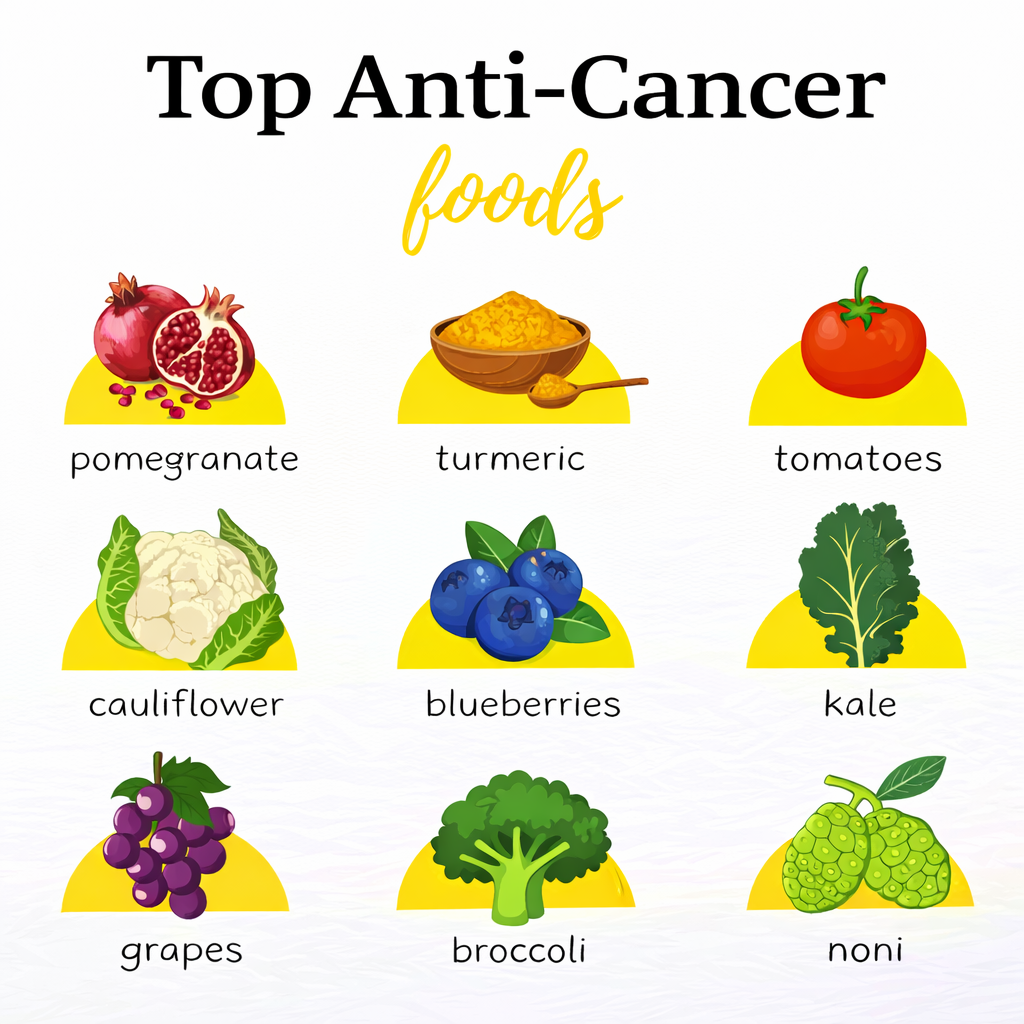
Leafy greens are considered one of the best superfoods that fight against cancer. Examples of leafy greens include vegetables like spinach, kale, and broccoli. Leafy greens are rich in nutrients such as sulforaphane and chlorophyll that help detoxify harmful substances that might damage the body cells. They also protect DNA by preventing its damage, especially during metabolic activities. The importance of leafy greens is highly recognized, especially due to their role in helping the body protect itself.
Another category of superfoods is represented by berries. These include blueberries, raspberries, and strawberries. Their high content of anthocyanins and other antioxidants allows them to effectively protect cells from free radicals, which in turn prevents cancer growth. Furthermore, berries are a great source of natural sugar, so their consumption does not cause any imbalance in blood sugar levels.
Another useful ingredient in our food is turmeric. It has a rich yellow color due to a chemical called curcumin. The latter is known to have anti-inflammatory and antioxidant effects. In addition, curcumin helps reduce the growth rate of cancer cells. Combined with black pepper, the substance will work much more effectively, so we should add turmeric to our food.
Garlic and onions are allium products that also provide numerous health benefits. Thanks to sulfur compounds, they help in the removal of toxins and contribute to the activation of the immune system. Besides, it is believed that these vegetables can inhibit the development of cancer cells. Therefore, they are worth adding to our diets.
However, whole grains, legumes, and nuts should not be overlooked since they possess equal importance for preventing cancers. Oats, brown rice, lentils, almonds, and walnuts contain fibers, healthy fats, and essential minerals that facilitate proper digestion and decrease inflammation. Moreover, fibers play an essential role in sustaining a healthy gut responsible for immunity and detoxification processes. Consequently, a healthy digestive tract will contribute to reducing the probability of developing some kinds of cancer, especially colon cancer.
It is common knowledge that green tea possesses remarkable anti-cancer properties due to a high concentration of polyphenols, particularly catechins. These antioxidants slow down the progression of cancerous cells and contribute to good health. The consumption of green tea should be included in a regular routine to achieve positive results.
The conclusion drawn from the analysis presented above is that there are no magic bullets to cure cancer. Instead, one should pay special attention to his or her diet and consume various products that have healing properties and beneficial effects on people’s health.
Conclusion
It can be concluded that superfoods have proven to be beneficial in the prevention of cancer because of their capacity to protect the body’s cells, prevent inflammation, and boost the immunity of the body. The consumption of a wide variety of fruits and vegetables, grains, and other natural foods can go a long way in providing the body with proper protection against cancer.
1. Avocado, Nuts, Seeds, and Green Leafy Vegetables
Avocado, nuts, seeds, and green leafy vegetables are some of the most potent sources of nature that enable the body to decrease the chances of cancer. This group of foods is full of vital minerals and vitamins that promote good health and prevent diseases. In the process of using such foods on a regular basis, one creates a base that would allow the body to be protected against various types of illness.
Avocado is an interesting fruit that is rich in healthy monounsaturated fats. Avocados have anti-inflammatory effects and promote good heart and cellular health. In addition to this, avocado includes vitamin E and carotenoids that prevent cell damage due to free radicals. Another benefit of avocados is their high fiber content that helps in proper digestion. As the result, the body is healthier as it is able to function properly.
Almonds, walnuts, cashew, and other nuts offer a wealth of minerals and vitamins that play an important role in cancer prevention. Nuts contain good fats, protein, fiber, and antioxidants; all these substances help reduce oxidation and inflammation inside your body. Walnuts in particular include omega-3 fatty acids beneficial in terms of decreasing inflammation in the body, and almonds are abundant in vitamin E which prevents cell damage. Eating nuts on a regular basis in reasonable amounts is considered helpful in maintaining good health as well as reducing risks of developing cancer.
Flaxseeds, chia seeds, sunflower seeds, pumpkin seeds, and many other types of seeds are tiny but extremely nutritionally rich foods. Seeds contain good amounts of fiber, fats, and antioxidants. What makes them even more interesting and beneficial is their high levels of plant phytonutrients, specifically lignans which are being studied because of their possible ability to maintain hormone balance and decrease cancer risks. For instance, flaxseeds have high levels of omega-3 fatty acids and lignans, thus making them effective in reducing inflammation. Adding seeds to your meals (yogurt, oatmeal, etc.) is not a problem.
Spinach, kale, and lettuce are some examples of important greens, which have been shown to help maintain good health and prevent cancer due to the high content of vitamin A, C, and K. These green vegetables are also good sources of folate and antioxidants that can provide protection to the cellular DNA. Moreover, most green leaves are rich in chlorophyll and other phytochemicals, which might aid in the removal of carcinogenic materials from the body. Since green leaves are nutritious and low in calories, people can consume them in great quantities in order to improve their diet.
In summary, avocado, nuts, seeds, and green leafy vegetables play an important role in creating a healthy diet to prevent cancer development. The use of these foods in one’s regular diet might positively influence health due to their antioxidant properties and benefits for gut health. Therefore, people can easily benefit from adding these products into their diet and improving overall well-being.
2. Nutritional Breakdown of Key Superfoods
Knowing the nutritional benefits of avocados, nuts, seeds, and green leafy vegetables makes it easier to understand why they are effective in improving one’s general health and lowering cancer risk. All these foods provide a specific blend of vitamins and other nutrients that can positively affect our well-being, protect our body from harm, and ensure its proper operation.
Firstly, avocados are an excellent source of healthy fats like oleic acids, which can decrease inflammation and improve heart function. Also, avocados contain high amounts of dietary fibers that promote digestion and gut health. Besides, avocados have vitamin E, vitamin C, vitamin K, and different B vitamins like folate, which protect us from cell damage and help repair DNA. Potassium is another nutrient found in avocados, which regulates blood pressure and ensures optimal cell functioning.
Nuts are also rich sources of many nutrients in small amounts. For instance, nuts like almonds and walnuts are great sources of healthy fats, particularly unsaturated fats, which are good for reducing inflammation in the body. Almonds and walnuts are also rich in proteins, which are essential for building muscle mass. In addition, nuts are good sources of vitamins E, magnesium, and selenium, all of which are antioxidants that help protect cells against damage caused by free radicals. Moreover, nuts like walnuts are great sources of omega-3 fatty acids, which have potent anti-inflammatory effects on the body.
Seeds are equally nutritious foods with many health benefits. Like nuts, seeds are rich sources of healthy fats and fibers, which are important for maintaining healthy bowel functions. For example, flaxseeds and chia seeds are rich sources of lignans, which are phytonutrients that can help maintain proper hormone balance and lower the risk of cancer. Chia seeds are also rich sources of healthy fats, including omega-3 fatty acids. Pumpkin seeds, like sunflower seeds, are rich sources of many minerals, including zinc, iron, and magnesium, which are important for enhancing the body’s immunity.
Leafy green vegetables such as spinach and kale rank among the most nutritious of all foods. Being very low in calories, they are very rich in vitamins and minerals such as vitamins A, C, K, and folate. The nutrients contained in the leafy greens have properties that help protect the body’s cells, boost immunity, and assist in repairing DNA. Antioxidants contained in them help protect the body against free radicals, which cause oxidative stress. Besides the rich minerals, they also contain lots of fiber that aids in digestion.
The above discussion highlights why people should make it a point of eating these foods regularly. The benefits of these superfoods can be attributed to their high fat content, fiber, vitamins, minerals, and antioxidants. The nutrients contained in them work hand in hand in ensuring the protection of the body’s cells from diseases like cancer.
3. Daily Intake Suggestions for Key Superfoods
Adding avocado, nuts, seeds, and green leafy vegetables to your daily diet need not involve making massive adjustments to your eating habits but just adding small portions will have major impacts on your body’s health. Balance is all that matters when it comes to including such foods in your daily routine in order to reap health rewards.
Avocado has lots of good fats, so you do not need to take too many portions for your health needs. Half to one portion a day would be enough for you to gain maximum benefit from this fruit without taking up too many calories. This fruit can easily be part of your breakfast by spreading it on your toast. It can also be taken at lunch and dinner in salad forms.
Nuts should be consumed in moderate amounts on a daily basis because nuts are high in calories. Consumption of about 20-30 grams of nuts a day is considered optimal. It ensures proper intake of nutrients such as healthy fats, proteins, and antioxidants without increasing your caloric consumption. You may eat nuts as snacks between your meals, put them in oatmeal or salads.
Seeds should be consumed moderately since they are packed with different nutrients. An optimal amount would be one or two teaspoons a day. Seeds such as flax seeds or chia seeds should be put in smoothies, yogurt, or cereals. Pumpkin seeds and sunflower seeds may be used to add more texture to your salads and food dishes.
More green leafy vegetables need to be included in the daily diet as they are rich in nutrients but very low in calories. In most cases, it is advisable to eat one to two cups of such foods daily. The consumption of such foods is made easier by eating these foods either raw in salads, making juice or blending them into smoothies, or even cooking them as part of lunch or dinner meals.
Other foods should be taken together with green leafy vegetables in order to maintain a balanced diet. Such foods include whole grain foods, fruits, lean protein foods, and sufficient quantities of water. One does not have to rely on one “super food” but rather make sure the diet is rich in a wide array of nutritious foods.
In summary, consumption of avocado, nuts, seeds, and green leafy vegetables on a daily basis in adequate portions will greatly contribute to health and will help prevent the onset of cancers. Inclusion of these foods in one’s diet will ensure healthy eating habits.
4. Anti-Cancer Diet: Traditional Foods That Heal
In addition to being nutritious and tasty, the traditional Indian diet is based on the consumption of natural foods that have proved to be extremely beneficial when it comes to preventing diseases. Long before nutrition experts started promoting the use of foods that could reduce the risk of cancer, Indians had developed their unique culinary culture centered around healthy cooking techniques. As a result of this approach, today the Indian diet can be called one of the most efficient in terms of supporting cellular functions and reinforcing immunity.
There are numerous ways in which the Indian diet helps prevent cancer. In particular, medicinal spices should be highlighted. Turmeric, for instance, is considered an especially promising anti-inflammatory food due to the high concentration of curcumin. Moreover, scientists suggest that this compound could slow down the development of abnormal cells. Additionally, there is a large number of spices that not only add flavor to food but also boost digestion, detoxification, and immunity. Some of these spices include ginger, garlic, cumin, coriander, and others.
One more important part of the traditional Indian diet is its plant-based nature. Lentils (dal), chickpeas, beans, and legumes are the sources of protein and fiber; thus, they are healthy replacements for processed meats. Plant-based foods improve digestion, maintain optimal blood glucose levels, and contribute to toxin removal. Brown rice, various millets (ragi, bajra, jowar), and whole wheat are high in calories, yet they supply vital nutrients and fibers that contribute to digestive health and prevent colorectal cancer.
Fruits and vegetables should be included in your daily menu; they should be consumed fresh, raw, and boiled in order to ensure their maximum benefits. Folic-rich green leafy veggies such as spinach (palak), mustard greens (sarson), and fenugreek leaves (methi) contain essential vitamins and minerals that are beneficial for overall cell health. Vibrant-colored vegetables like carrots, tomatoes, and peppers contain phytonutrients that are useful for counteracting oxidative stress and fighting inflammation. Fresh and sweet fruits such as guavas, papayas, mangoes, and citrus fruits should be eaten regularly for vitamin C intake.
The Indian drinks also aid in leading a cancer prevention lifestyle. Examples include herbal teas such as tulsi tea, ginger tea, and haldi doodh which is basically turmeric milk. Besides the calming nature of these drinks, they offer health benefits by enhancing immunity and digestion while reducing inflammations. They should be considered healthier than sugary soft drinks as they will provide additional hydration.
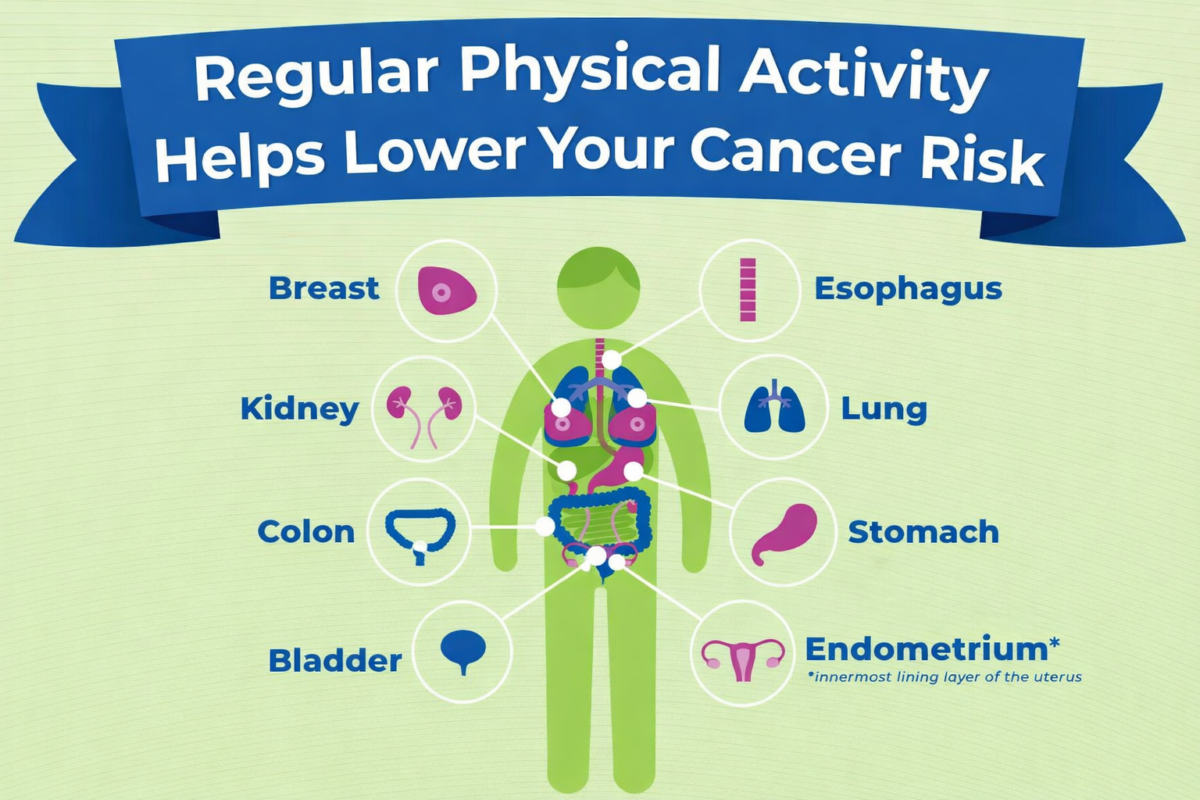
There are other aspects of Indian dishes that make them healthier. For example, some of the cooking techniques practiced in Indian cooking promote health and include methods like steaming, boiling, using oil sparingly in sautéing and slow cooking. In most cases, foods cooked using these techniques contain healthy fat like those found in ghee, mustard oil, and coconut oil.
It is also crucial to point out that there is another aspect of the Indian diet that should be emphasized – balance. As a rule, meals contain a variety of different food products: carbohydrates, proteins, healthy fats, and fiber. Fermented products, such as curd (yogurt) and Indian pickles, contribute to the formation of beneficial microflora in the digestive system, thus supporting immunity and preventing various diseases.
Summarizing all of the above, it becomes evident that traditional Indian cuisine represents an excellent way to prevent cancer without any synthetic drugs or supplements. Traditional Indian food includes a variety of whole foods, spices, and other elements necessary for proper functioning and longevity. In this way, one can rely on the healing powers of traditional Indian cooking without any doubts.
1. Turmeric, Lentils, Millets, and Amla: Powerful Indian Anti-Cancer Foods
Some of the best ingredients of the traditional Indian cuisine that should not be overlooked include turmeric, lentils, millets, and amla, each having significant benefits for our health and ability to prevent cancer. For centuries, Indians have included all these food items in their diets as the sources of nutrition and medicine. Packed with antioxidants, anti-inflammatory compounds, fiber, and vitamins, they act synergistically to maintain cell health and strengthen the immune system.
Turmeric is among the best-known medical herbs in India, which owe to the presence of curcumin – its active ingredient. With proven ant-inflammatory and antioxidant activity, curcumin helps to suppress inflammation and cell damage in the long run, which may help with preventing cancer and abnormal cell proliferation. Adding a small amount of turmeric to your meals as part of curries, soups, or even turmeric milk is an effective way to use this medicinal herb. For better absorption, add a bit of black pepper to the recipe.
Dal, otherwise called lentils, is one of the primary sources of proteins in Indian food recipes. The presence of fiber in lentils facilitates healthy digestion and the elimination of toxins from the body. Lentils contain valuable nutrients including folates, iron, and antioxidants responsible for cell rejuvenation and strengthening the immune system. Furthermore, their low glycemic index makes lentils ideal for regulating glucose levels in the body, thus preventing any metabolic stress or inflammation responsible for causing cancers. Consuming dal regularly through foods such as dal, soup, and stews is beneficial both nutritionally and health-wise.
Whole grains such as ragi, bajra, and jowar are some of the traditional millets gaining recognition for their nutritional value and health benefits. Unlike refined grains, millets are full of fiber, vitamins, and other essential minerals required by the body for proper metabolism and digestive functions. Additionally, millets are full of antioxidants responsible for combating oxidative stress in the body hence lowering inflammation. Millets do not contain gluten and possess a low glycemic index, thus making them excellent for regulation of blood glucose levels.
Indian Gooseberry is another name for Amla, a plant high in antioxidants and loaded with vitamin C. The antioxidants contained in Amla aid in the neutralization of free radicals and prevent any cell damage caused by oxidation. Other benefits of consuming Amla include boosting the immune system, facilitating digestion, and assisting with detoxification processes within the body. The anti-inflammatory properties also decrease the likelihood of developing chronic illnesses such as cancer. Amla may be consumed in different ways, namely fresh fruit, powder, juice, or through chutneys and pickles.
To summarize, turmeric, lentils, millets, and amla prove the efficacy of traditional Indian nutrition as an efficient means to prevent diseases and maintain good health. These nutrients provide multiple benefits, including inflammation reduction, protection against oxidative stress, support of digestive and immune systems. Thus, the consumption of these foods will ensure proper functioning of the body and cancer prevention in the future.
2. Ayurvedic Perspective on Diet and Cancer Prevention
However, as per the Ayurvedic approach to health, being healthy does not mean only the absence of diseases. It also means having perfect harmony and balance in life between physical aspects (body), mental aspects (mind) and spiritual aspects (spirit). In addition, according to Ayurveda, the reason behind the majority of diseases including cancer lies in the lack of harmony in the body. There are many factors leading to such imbalance in the body like inappropriate nutrition, lifestyle, stress and build-up of ama, a form of toxic accumulation in the body.
In addition, Ayurveda focuses on the importance of digestion to maintain good health. According to Ayurveda, digestion can be considered as the foundation of good health since Agni, which is the term used to refer to digestive fire, plays an important role in ensuring proper digestion, nutrient assimilation and detoxification. Poor digestion leads to ama accumulation in the body. Such accumulation can spread all throughout the body and affect tissues and organs, thus resulting in many diseases, even cancer.
Maintaining balance within the three doshas – Vata, Pitta, and Kapha – is essential according to Ayurveda. An individual’s unique constitution determines their own dosha balance. Imbalances between these three doshas may cause problems such as inflammation (caused by excess pitta) and poor metabolism and toxin buildup (caused by imbalanced kapha). A healthy diet based on one’s dosha can be used to maintain internal balance.
In Ayurveda, food is regarded as medicine. Thus, eating natural and fresh food in accordance with the changing seasons is advised. Foods such as turmeric, ginger, garlic, and amla are beneficial for cleansing and strengthening the body and preventing diseases because of their nutritional properties. In addition to their nutritional values, they have cleansing properties, reducing inflammation and improving immunity.
Another aspect of Ayurvedic wisdom related to dietary habits is the principle of conscious eating. The process of consuming food should be performed with the person being relaxed and chewing the food adequately. In addition, meal times should be regular for the body to be able to digest and assimilate the nutrients effectively. It is also suggested to engage into some detoxification activities by drinking warm water, teas, and having light meals.
Alongside with diet, other healthy lifestyle factors like getting enough sleep, managing stress, doing exercises, and maintaining mental health should be considered. Various practices of yoga, meditation, and similar disciplines are suggested.
To conclude, Ayurveda suggests a particular perspective on cancer prevention based on the principles of keeping the balance in the organism, supporting digestion, and preventing the accumulation of toxins in the organism by following natural and mindful dietary and lifestyle choices. By taking appropriate dietary measures, people will be able to prevent numerous diseases and achieve excellent results.
3. Budget-Friendly Diet Tips for Cancer Prevention
A healthy and balanced diet that helps prevent cancer from developing need not necessarily be expensive and complex. On the contrary, there are many natural foods that help us stay healthy without costing too much money or taking too much effort. The trick here is to use whole and fresh foods and to make good decisions when purchasing and preparing meals.
One very helpful way of eating healthily while being economical is to depend heavily on staple foods. Some examples of such foods include lentils, beans, and whole grains, among others. In India, food products such as dal, chickpeas, rice, and millets are both affordable and rich in nutrition. They are good sources of fiber, protein, and carbohydrates, besides helping us digest better.
Another vital aspect of an economical diet is seasonal fruits and vegetables. Seasonal fruits and vegetables that are locally produced tend to be fresh, rich in nutrients, and cheaper than other types. Some examples of vegetables include spinach, cabbage, carrot, pumpkin, etc. Fruits include banana, guava, and papaya among others. These fruits and vegetables contain various vitamins and antioxidants while being cheap. The use of such fruits and vegetables will help to protect cell damage and boost immunity without spending more.
Homemade food is another way of saving and having healthy eating habits. Preparing food at home means better management of ingredients, quantities, and methods used for cooking. In addition, homemade meals will eliminate the need to purchase packed foods which might be unhealthy. Simple dishes such as dal, vegetable curries, khichdi, roti with sabzi, etc. can provide all the nutrients required without spending much. Spices such as turmeric, cumin, and garlic may add more nutrition and flavor to the dish.
Moreover, eating less of processed foods, soft drinks, and junk food will also help save money and promote health. Such foods tend to cost quite a lot and contain no nutrients. Instead of buying them, it would be better to opt for other nutritious foods like snacks that one cooks himself/herself, roasted peanuts, fresh fruits, and beverages made from herbs.
Another helpful trick that can assist in saving money is to avoid throwing away any food. One can simply plan his/her meals in advance and try his/her best to incorporate some unused food. The leftovers can be incorporated in the next meal, e.g., vegetables can become the basis of soups, parathas, etc.
To summarize, a healthy and preventive diet does not need to be expensive at all; one should just make the proper decisions concerning this issue. Using seasonal products that are easily accessible to us, making homemade dishes, and eating consciously – all this will guarantee our good nutrition and health.
5. Juicing for Cancer Prevention: Does It Work?
The act of juicing has grown popular due to the notion that it is a natural method through which the body may detoxify and prevent diseases such as cancer. This process involves extracting juice from different fruits and vegetables for consumption. In essence, juicing entails eating food rich in vitamins, minerals, and antioxidants in concentrated form to aid general well-being. Although juicing is useful, one should know the effects of juicing on cancer risk.
The key benefit associated with juicing is that it enables consumers to take advantage of various kinds of vitamins, minerals, and antioxidants. The juices extracted from different vegetables such as carrots, spinach, and beetroot, along with various fruits such as oranges and apples, are rich in antioxidants. Antioxidants are capable of neutralizing free radicals that cause cell damage; thus, their presence in the body reduces cancer risk. People who have challenges taking the required number of vegetables and fruits find it easy to fulfill their needs by juicing.
On the other hand, there are some disadvantages associated with juicing that should not be overlooked. Firstly, the process of juicing results in the elimination of fiber from food products. Fiber is an indispensable part of nutrition; besides providing satiety, it assists in digestion and helps maintain proper glucose levels. Furthermore, having a healthy digestive system is crucial for our immune system and protection against illnesses, including cancer. Thus, eating fruits and vegetables as whole food, not juice, guarantees the intake of both nutrients and fiber at the same time.
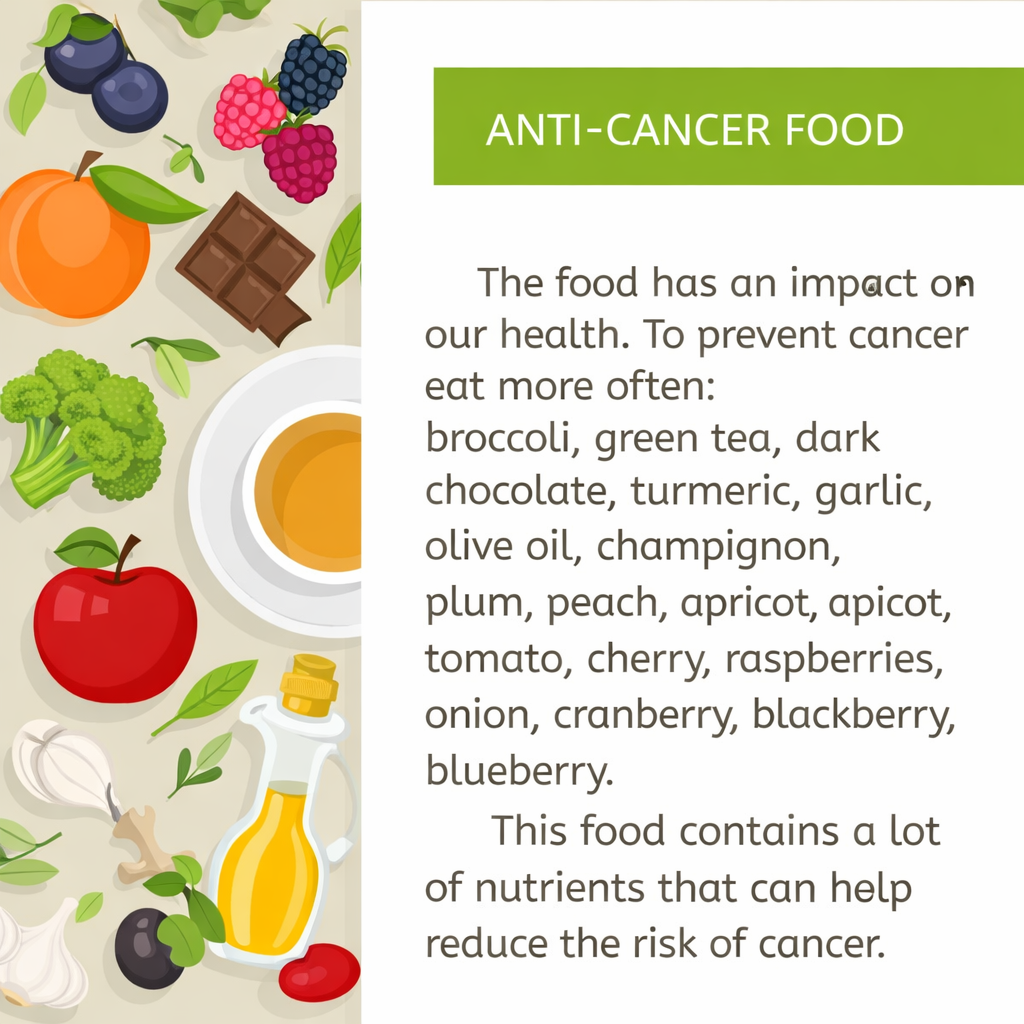
Finally, another important issue to be taken into account relates to sugar content of fruit drinks. Naturally, although it is healthier than any other kinds of added sugar, excess consumption of fruit sugar together with lack of fiber causes quick increase of blood glucose levels and, consequently, insulin secretion. As a result, over time, this situation might lead to inflammation processes in our body. Therefore, the best choice is vegetable or vegetable-fruit juice.
Another point to consider is a widely held belief regarding the alleged power of juicing to cure or protect against cancer altogether. However, there is no scientific data proving that such an effect could be obtained via juicing alone. Cancer is a very serious illness associated with various causes, including genetic predisposition, lifestyle choices, environmental impact, as well as the patient’s general nutrition.
The most effective method for combating diseases, which are related to nutrition, would involve a diversified dietary intake that includes juices, as well as other products, including fresh fruits and vegetables, grains, legumes, and healthy fats. In addition, preparation of freshly squeezed juice at home and without any additional ingredients, such as sugar or preservatives, is the optimal solution.
Overall, juicing may help prevent cancer by boosting your antioxidant and nutrient levels. However, there is no magic cure. The effectiveness of juicing will be maximized if you combine it with healthy eating and living. Whole foods must be considered the foundation of healthy nutrition with juicing being an accessory to whole foods and not a substitute for them. In other words, making wise decisions and following your healthy choices consistently will lead you to success.
1. Pros and Cons of Juicing
Although juicing is often recommended as a fast and efficient means of improving one’s diet and promoting general well-being as well as lowering cancer risks, there are some drawbacks that need to be taken into account alongside the numerous advantages of this activity. In order to decide whether it should be included into one’s daily lifestyle, both sides of the problem need to be viewed equally objectively.
The first advantage of juicing is its ability to provide the body with large amounts of vitamins, minerals, and antioxidants in just one drink. Fresh juice made from various fruits and vegetables is beneficial for improving one’s vitamin consumption, which may otherwise be hard to achieve. Antioxidants contained in fresh juice are helpful in preventing cell damage by free radicals, while vitamins can contribute to building up the strength of the immune system. Moreover, juicing is a less demanding process than consuming solid fruits and vegetables, thus providing the body with easily absorbed nutrients.
Yet another advantage of juicing is related to its contribution to improving the nutritional profile of your diet. Once people begin juicing, they tend to be more aware of what they consume throughout the day, as well as the kind of lifestyle they live. For instance, vegetable juices have been found helpful due to their low-calorie nature, which allows consuming them in larger quantities.
At the same time, there are a number of disadvantages associated with juicing that cannot be ignored. To begin with, it should be acknowledged that this process involves removing fiber, which plays a crucial role in supporting the proper functioning of one’s digestion and maintaining healthy gut microbiota. Moreover, the lack of fiber results in fast absorption of sugars. As a consequence, one experiences spikes in their blood glucose level, which is not beneficial in terms of their overall health state.
The third drawback associated with juicing is the possible increase in the consumption of too much sugar. Indeed, such a problem is mostly observed in case one decides to create a juice only from fruits, thus receiving an overload of natural sugars.
However, juicing may also give people a feeling of security that they are consuming enough nutritious food by drinking juice instead of eating whole fruits and vegetables. Even though juicing contains some nutrients that one needs, it does not contain the same number of other nutritional components that whole fruits and vegetables contain, such as fiber and the feeling of being full. In addition, excessive juicing and the practice of only consuming juice may result in an unbalanced diet and inadequate consumption of proteins and fats.
In conclusion, it may be stated that juicing may become a part of a healthy lifestyle, but it must be used in moderation. It serves as an easy method for obtaining necessary vitamins and minerals, but it cannot be considered an alternative to consuming whole fruits and vegetables. Being aware of both advantages and disadvantages of juicing is a guarantee of using it correctly and effectively.
2. Best Juice Combinations for Health and Cancer Prevention
The selection of appropriate fruit combinations is key to getting the most health value from juices without any negative consequences of over-consumption. Juice combinations, which should contain mainly vegetables and some fruits to make them sweeter, are the most useful for health improvement and prevention of cancer diseases. Such juices will provide your body with antioxidants, vitamins, minerals, and other elements necessary for protecting your cells and immune system.
Firstly, you can consider making juice from carrots, beetroots, and ginger. They will give you a variety of nutrients such as beta-carotene, improving cell health, and beetroot providing good effects on blood circulation and detoxification. Moreover, ginger gives anti-inflammatory effect on body cells and improves digestive processes. Secondly, there is another powerful combination of ingredients for making healthy juice: spinach, cucumbers, celery, and a little bit of apple. It contains a minimum of sugar and lots of useful vitamins, minerals, and chlorophyll.
Amla juices are recommended too, due to the very high content of vitamin C. The juice made from amla mixed with some mint leaves and a little bit of lemon juice will make for a refreshing and immune boosting drink that helps combat free radicals. On the other hand, tomato, carrot and black pepper mix is recommended for its high content of lycopene and antioxidants that contribute to healthy cells formation.
The sweeter alternative to the mentioned recipes is pomegranate juice blended with a little bit of berries and thus loaded with polyphenols and antioxidants. However, it should be kept in mind that it is better not to use too many fruit juices because of sugar content. One more tip is to add such things as chia or flaxseeds after juicing to get more nutrients in the juice.
It is also important to drink the freshly squeezed juice as soon as possible to get all the benefits out of it. Sugar or any other artificial product should be avoided in order not to ruin the positive effects.
Conclusion
The optimal juices are those which emphasize the use of vegetables and contain the least amount of fruits and nutrient-dense items such as ginger, amla, and leafy green vegetables. If taken responsibly, they will be a great source of nourishment and will contribute towards good health.
3. Myths vs Facts About Diet and Cancer
There is plenty of misinformation regarding diet and cancer that makes people adopt extreme diets. It is important to understand what is fact and what is myth in order to make better decisions. This will help people adopt more realistic approaches to their health rather than rely on quick-fix solutions or unfounded claims.
For example, there is a misconception that some “superfoods” or diets can entirely stop or heal cancer. These superfoods do have a lot of nutrients that are good for one’s health and may even contribute to reducing cancer risk, but they cannot eliminate cancer from occurring. In other words, eating the correct foods alone cannot be the key to avoiding cancer. The truth is that the only way to prevent cancer is to maintain a balanced diet alongside being physically active, not smoking, and maintaining proper weight.
It is another common misconception that sugar is supposed to “feed” cancer, thus needing complete elimination from one’s diet. Although it is accurate that cancer feeds on sugar, all the other living cells inside the organism do so as well. However, an overconsumption of sugars that have been refined could cause such conditions as obesity, inflammation, and hormonal dysfunctions that can raise cancer risks. Therefore, one has to be sensible about the matter, and moderate consumption of natural sugars found in fruits is perfectly acceptable.
Detoxification diets or cleanses are another popular belief that people are to follow in order to eliminate toxins from their bodies and reduce the chances of developing cancer. On one hand, it seems reasonable because detoxification takes place naturally through liver and kidneys. Nevertheless, there are no studies that prove that juice cleansing provides any additional health benefits besides delivering essential nutrients through juices. Moreover, a prolonged diet without solid foods can result in vitamin and mineral deficiencies.
The next myth suggests that one must completely avoid fats to lower their cancer risks. However, all fats cannot be considered unhealthy, while many can help reduce inflammation. For example, fats present in nuts, seeds, and healthy oils are beneficial to cells’ proper functioning. Hence, the point at hand is not eliminating all fats but avoiding unhealthy ones, for example, trans fats or excess saturated fat in some processed and fried foods.
Additionally, people think that only organic foods or those that are costly must be considered healthy. While organic products can indeed help avoid exposure to harmful chemicals, they are far from being the only choice. Fresh foods, both organic and otherwise, which are local, seasonal, and affordable, can contain necessary vitamins and minerals to ensure health. As stated before, there is no need for expensive foods to lead a healthy life.
Summarizing, it is critical to differentiate between various myths and facts related to nutrition and cancer prevention and treatment. No particular product, dietary regimen, or approach can guarantee safety from the disease. However, consistent and well-balanced eating and overall healthy lifestyle can significantly contribute to health promotion.